Thursday, June 16, 2022

Honesty: The Secret to Transformation


"In my life, the world has constantly changed around me, whether I liked it or not. Carpets were pulled out from under me and sometimes, blankets wrapped around my shoulders. Change in the world is inevitable, but there is no power in experiencing it. Flowing with change is simply enjoying what comes our way or weathering a storm. It’s about being an observer and reacting (or not reacting) to the unrelenting ebbs and flows of life.

There is a difference between change and transformation. Transformation is where the power is. I have transformed many things in my life as well, and any time I want it to last, there is always one key ingredient- honesty


Transformation can begin only with brutal honesty. We have to be unafraid to get raw, get dirty and get real. We have to close the gap between who we want to be and who we really are in order to evolve.

What happens when we try to transform without being honest about where and who we are in life? Well, it falls flat, it fades away and we are back to the same lies we were telling ourselves before to get through the day. When we start facing the truth, then and only then, can we begin to create the life for ourselves that we imagine possible.

Transformation isn’t easy, but I can promise you, it’s possible. You can be the person you always wanted to be. You can have the relationship you have always wanted. You can be healthy, fit and happy. You can transform your life into the one in your dreams. First, you just have to be honest. When you can do that, no one will or could stand in your way, not even you."
- Angie Cherry, Yoga Teacher, Vancouver, Washington

Uncle Mike's Cellphone Poetry Series


Uncle Mike's
Cellphone Poetry Series

By Michael P. Garofalo


     Summer Adventures


     Autumn Views


     Winter Home


     Backyard Gardens


Short Poems by Michael P. Garofalo

Haiku, Brief Free Verse, Photos
Tercets, Concrete Poems, Quartets
Cinquains, Waka, Couplets, Senryu
30 Letters Max per Line of Text
Uncle Mike's Cellphone Poetry Series


Wednesday, June 15, 2022

Chapter 76, Daodejing, Laozi

Tao Te Ching by Lao Tzu
Chapter 76

"A man living is yielding and receptive.
Dying, he is rigid and inflexible.
All Things, the grass and trees:
Living, they are yielding and fragile;
Dying, they are dry and withered.
Thus those who are firm and inflexible
Are in harmony with dying.
Those who are yielding and receptive
Are in harmony with living.
Therefore an inflexible strategy will not triumph;
An inflexible tree will be attacked.
The position of the highly inflexible will descend;
The position of the yielding and receptive will ascend."
-  Translated by R. L. Wing, 1986, Chapter 76 


"Human beings are
soft and supple when alive,
stiff and straight when dead.
The myriad creatures, grasses and trees are
soft and supple when alive,
dry and withered when dead.
Therefore it is said:
the rigid person is a disciple of death;
the soft, supple and delicate are lovers of life.
The army that is inflexible will not conquer;
the tree that cannot bend will snap!
The unyielding and mighty will be brought low;
the soft, supple and delicate will rise above them."
-  Translated by Jerry C. Welch, 1998, Chapter 76   

"The living are soft and yielding;
the dead are rigid and stiff.
Living plants are flexible and tender;
the dead are brittle and dry.
Those who are stiff and rigid
are the disciple of death.
Those who are soft and yielding
are the disciples of life.
The rigid and stiff will be broken.
The soft and yielding will overcome."
-  Translated by John H. McDonald, 1996, Chapter 76   


"When a person is living they are soft and easy to bend. 
When they are dead, they become hard and stiff. 
When a plant is living, it is soft and tender. 
When it is dead, it becomes withered and dry.

The hard and stiff belongs to the company of the dead. 
The soft and easy to bend belongs to the company of the living.

A mighty army can to fall by its own weight,
Just as dry wood is ready for the ax.

The mighty and great will be put low;
The humble and weak will be raised high."
-  Translated by J. L. Trottier, 1994, Chapter 76 


人之生也柔弱.
其死也堅強.
萬物草木之生也柔脆.
其死也枯槁.
故堅強者死之徒.
柔弱者生之徒.
是以兵強則不勝.
木強則共.
強大處下.
柔弱處上.
-  Chinese characters, Tao Te Ching, Chapter 76


jên chih shêng yeh jou jo.
ch'i ssu yeh chien ch'iang.
wan wu ts'ao mu chih shêng yeh jou ts'ui.
ch'i ssu yeh k'u kao.
ku chien ch'iang chê ssu chih t'u. 
jou jo chê shêng chih t'u. 
shih yi ping ch'iang tsê pu shêng.
mu ch'iang tsê ping. 
ch'iang ta ch'u hsia.
jou jo ch'u shang.
-  Wade-Giles Romanization (1892), Tao Te Ching, Chapter 76


"When people are born, they are soft and yielding.
When people die, they are stiff and unyielding.
Ten-thousand things (everything) like grass and trees, when they are born, they are soft and supple.
When they die, they are rigid and dry.
Stiffness and unyielding are death’s companions.
Softness and yielding are life’s companions.
Unyielding armies will not win.
Unyielding trees become weapons.
Great strength dwells below.
Weakness dwells above."
-  Translated by Alan Sheets, 2002, Chapter 76 


"Abstain from Hardness
Chieh Ch'iang


Man is soft and weak at birth;
At death he is hard and rigid.
The ten thousand things, herbs and trees,
Are soft and delicate when growing up;
In dying, they wither and look haggard.
Thus hardness and rigidity are companions of death;
Softness and weakness are companions of life.
Therefore armies, having become rigid, will not win;
Trees, having become rigid, will break asunder.
The big and rigid will be laid low;
The soft and weak will be lifted up."
-  Translated by Henry Wei, 1982, Chapter 76


"El hombre al nacer es blando y débil;
cuando muere, rígido, firme y duro.
Las diez mil plantas y árboles son tiernos y frágilesal nacer;
cuando mueren están secos y consumidos.
De ahí el dicho:
'La firmeza y la dureza,
son atributos de la muerte;
la blandura y la debilidad,
son atributos de la vida.'
Por esta razón las armas fuertes no vencen,
el árbol vigoroso muere.
Lo firme y lo grande ocupan el lugar inferior;
lo blando y lo débil, el superior."
  -  Translated by Juan Ignacio Preciado, 1978, Capítulo 76  


"A living person is gentle and tender, while a dying person is rigid and hard.
A living plant is gentle and tender, while a dying plant is dry and withered.
Thus, one who is rigid and hard is on the way to die.
One who is gentle and tender is on the way to live.
Thus, a strong army will soon be annihilated.
A hard stick of wood will soon be broken.
A piece of hard leather will soon be split.
Teeth are stronger than lips, yet the teeth decay first.
Therefore, hardness and strength are inferior, gentleness and tenderness are superior."
-  Translated by Tang Zi-Chang, Chapter 76 


"Alive, a man is supple, soft;
In death, unbending, rigorous.
All creatures, grass and trees, alive
Are plastic but are pliant too,
And dead, are friable and dry.
Unbending rigor is the mate of death,
And wielding softness, company of life:
Unbending soldiers get no victories;
The stiffest tree is readiest for the axe.
The strong and mighty topple from their place;
The soft and yielding rise above them all."
-  Translated by Raymond Blakney, 1955, Chapter 76  


A typical webpage created by Mike Garofalo for each one of the 81 Chapters (Verses, Sections) of the Tao Te Ching (Daodejing) by Lao Tzu (Laozi) includes over 25 different English language translations or interpolations for that Chapter, 5 Spanish language translations for that Chapter, the Chinese characters for that Chapter, the Wade-Giles and Hanyu Pinyin transliterations (Romanization) of the Mandarin Chinese words for that Chapter, and 2 German and 1 French translation of that Chapter.  Each webpage for each one of the 81 Chapters of the Tao Te Ching includes extensive indexing by key words, phrases, and terms for that Chapter in English, Spanish, and the Wade-Giles Romanization.  Each webpage on a Chapter of the Daodejing includes recommended reading in books and websites, a detailed bibliography, some commentary, research leads, translation sources, a Google Translate drop down menu, and other resources for that Chapter.   

Chapter 76, Tao Te Ching by Lao Tzu

Chapter and Thematic Index (Concordance) to the Tao Te Ching by Lao Tzu

English Language Daodejing Translators' Source Index

Spanish Language Daodejing Translators' Source Index

Ripening Peaches: Taoist Studies and Practices

Taoism: A Selected Reading List

One Old Daoist Druid's Final Journey  


Saturday, June 11, 2022

Yang Style Tai Chi Chuan - Third Section

A Repost form 2020!

Yesterday, because of wildfire smoke and ashes and low clouds in Vancouver, WA, the visibility out my front door was less than 100 feet.  The hazardous air quality was dangerous to anyone's health.  I practiced my Tai Chi Chuan and Qigong indoors, in a 20’x6” area.  This is sufficient space to practice the Yang Style Taijiquan Long 108 and Short 24 forms, and any qigong form.  

The practice of Tai Chi Chuan or Chi Kung can be done indoors or outdoors.  The only equipment needed is your body. 

I move a little furniture and practice indoors quite often.    

These are wonderful movement arts for better health.  Try them yourself!

Currently, I am reviewing the 3rd Section of the Yang Taijiquan Long 108 Form.  


Hypertext Notebooks by Michael Garofalo:

Grandmaster Yang Chen Fu's Taijiquan 94 Movements Long Form  1920's

List of All the Movements in Third Section of Yang Style Long Form  1 page

Third Section, Part 1, List of Movements and brief instructions  1 page

Third Section, Part 2, List of Movements and brief instructions  1 page 

Cloud Hands Tai Chi Chuan Website


Friday, June 10, 2022

Deer Frolics Qigong


"The Deer Play is to imitate the shape and movement of a deer hoping to attain long life and pure soul like a deer. The features of a deer are its gentle disposition, swift movement, love to push with horns, and good at running. When it stands it likes to stretch its neck to glance at things afar. The deer also likes looking at left and right and its rear foot. It is also good at moving its tail bones (sacrum). The tail bone is the place where the Jen and Du meridians meet. Thus, during practice, the practitioner not only needs to imitate the attitude of a deer with swift movement and calm spirit, but also need to focus attention on the tail bone. This will guide Qi to the whole body, open meridians, circulate blood, relax tendons and bones, and benefit kidney and strengthen waist. It can also enhance blood circulation in the abdomen. This play is suitable for curing dysfunctional nerves in the internal organs, chronicle infections of the internal organs in the abdomen, fatigue in the waist muscles, nerve pain in the pelvis, deteriorated thigh bones, and the lack of sex drives."
- Five Animal Frolics

"Breathing in and out in various manners, spitting out the old and taking in the new, walking like a bear and stretching their neck like a bird to achieve longevity - this is what such practitioners of Daoyin, cultivators of the body and all those searching for long life like Ancestor Peng, enjoy." - Chuang-tzu, circa 300 BCE.


"Firstly, we analyze its function in the aspect of psychological regulation as it is required that the practitioner should do it before and during each routines in the exercise of the Health Qigong Wu Qin Xi. The practitioner should mind on the Dantian and rid of the distracted thoughts with quiet mind and spirit before the exercise, get into the imitation of its physical activities of each animal in the exercise. When practicing the tiger exercise, try to imagine yourself as a fierce tiger in the mountains who is looking down upon other beasts and stretching its own pawns and about to pounce on its prey; in the deer exercise, imagine that you are prudent and mild, jogging on a green field; in the exercise of the bear, you are a clumsy bear, composed and steady, freely roaming the forests; in the monkey exercise, you become a happy and agile monkey; in the bird exercise, you are a free bird with quiet mind and flying in the sky. Therefore you can continuously regulate the mind state in the exercise and it is helpful to the relaxation of the mind. The regular exercise of this skill can transform and regulate the mind of the practitioner to relieve the spiritual nervousness, improve the emotional stability, reduce the mental stress and keep the healthy mind."
- The Effect of Precaution against Sub-health of the Health Qigong Wu Qin Xi. Chinese Health Qigong Association. 2008. 


Tuesday, June 07, 2022

Try to Build It


"The only sensible goal, then, is to try to build a reality-tunnel for next week that is bigger, funnier, sexier, more optimistic and generally less boring that any previous reality-tunnel.  And once you have built that bigger, funnier, happier universe of thought, build a bigger and better one, for next month."
-  Robert Anton Wilson,  Prometheus Rising,  p. 226, 1983


Monday, June 06, 2022

Sunday, June 05, 2022

A Hole in Becoming

 "Astronomers reached across intergalactic space to a giant galaxy known as Messier 87, in the constellation Virgo. There, a black hole about seven billion times more massive than the sun is unleashing a violent jet of energy some 5,000 light years into space."

- New York Times, April 10, 2019


Oil drillers dig holes into the earth that release gas and oil energies.  Not the same as the astronomer's "Black Holes"; but names vary as realities and our living interactions and language games vary or are sustained with others.    

Today, I will dig a hole into our back yard black soil, along our vertical trellis, and then plant a third evergreen clematis vine.  The plant will flourish in that black hole.

Last week a dermatological surgeon incised a squamous tumor from in my left hand, and covered the wound with 10 stitches.  Healed well, and I can return to lifting more than 10 pounds today.  It was a red hole in my flesh for a brief time.  

I've looked down into that multicolored hole called the Grand Canyon and the green Columbia Gorge, big holes in the earth, all with powerful energy producing Rivers flowing Down, down, down ...

The dead human beings are often buried in black holes.  

The Universe expands and contracts in ways to tax and challenge our and my scientific imagination and understanding.  

Yin and Yang, Emptiness and Energy.  

Post from 2018


Saturday, June 04, 2022

Dao De Jing, Laozi, Chapter 74

Tao Te Ching by Lao Tzu
Chapter 74


"The people do not fear death,
Why threaten them with death?
Suppose the people always fear death,
One who does strange things (ch'i),
I shall seize and kill,
Then who dares [to do strange things]?
Killing is carried out by the executioner.
To replace the executioner and kill,
Is like chopping wood in place of the master carpenter.
To chop wood in place of the master carpenter,
Rarely one does not hurt one's own hand."
-   Translation by Ellen M. Chen, Chapter 74


"If people don't love life, they won't fear death, and threatening them with it won't work.
If people have lives worth living, then the threat of death is meaningful, and they'll do what is right to avoid it.
But killing itself should be the province of the great executioner alone.
Trying to take his place and kill is like cutting wood in the place of the master carpenter:
The odds are you'll hurt your own hand."
-   Translation by Brian Walker, Chapter 74

 
"If people are not afraid of death,
how can they be threatened by it?
But if they always live in fear of death,
and still continue in their lawlessness,
we can arrest and kill them.
Who then would dare?
And yet there is a Lord of Death whose charge it is to kill.
To take his place and kill would be like carving wood in place of the master carpenter.
Few would escape without injuring their hands."
-   Translated by Tim Chilcott, 2005, Chapter 74


"If people are not afraid to die, how death can be used to threaten them?
If we make people afraid of death, and execute a few extreme offenders, who would dare to offend again?
It is normal to have executioners who kill.
Substituting an executioner in killing is like substituting a master lumberjack in chopping trees.
Chopping trees by non-professionals rarely results in no hand injuries."
-   Translated by Thomas Z. Zhang, Chapter 74 


"If people were content with their own deaths
You could not use force on them;  they would be immune
But this is not the way the world is
If you threaten them with death to make them behave
You must assign someone to kill them, or do it yourself
Who, then, kills:  you, or the executioner, or the state?
Someone must take the responsibility
Whoever is responsible for death has put his way above the tao
Yet though he can end a life, the tao will by its nature find a way to return
Any sane man would find in that cause for worry."
-   Translated by Ted Wrigley, Chapter 74 


"When the people are not afraid of death, wherefore frighten them with death?
Were the people always afraid of death, and were I able to arrest and put to death those who innovate, then who would dare?
There is a regular executioner whose charge it is to kill.
To kill on behalf of the executioner is what is described as chopping wood on behalf of the master carpenter.
In chopping wood on behalf of the master carpenter, there are few who escape hurting their own hands instead."
-   Translated by D. C. Lau, 1963, Chapter 74   


"If people have no fear of death
It's pointless to threaten them with it.
If people were in constant fear of death,
And if anyone acting deviously
Were to be seized and executed,
Who would dare to do so?
The Master Executioner is always there to kill.
If you attempt to play his role
It is like trying to do the work of a master lumberjack.
The one who has no skill to do this work
Seldom escapes with his hands unhurt."
-   Translated by Angieszka Solska, 2005, Chapter 74 


If there is someone who doesn't fear death, why threaten to kill them?
If people did fear death and one were to capture and kill the devious few, who would dare to be devious?:
Iff the people are always at risk of execution, there will never lack an executioner.
Now, to kill like an executioner is like-hacking at wood.
Instead of masterful carpentry, few are there who can escape cutting their own hands!"
-   Translated by Jerry C. Welch, 1998, Chapter 74


A typical webpage created by Mike Garofalo for each one of the 81 Chapters (Verses, Sections) of the Tao Te Ching (Daodejing) by Lao Tzu (Laozi) includes 25 or more different English language translations or interpolations for that Chapter, 5 or more Spanish language translations for that Chapter, the Chinese characters for that Chapter, the Wade-Giles and Hanyu Pinyin transliterations (Romanization) of the Mandarin Chinese words for that Chapter, and 2 German and 1 French translation of that Chapter.  Each webpage for each one of the 81 Chapters of the Tao Te Ching includes extensive indexing by key words, phrases, and terms for that Chapter in English, Spanish, and the Wade-Giles Romanization.  Each webpage on a Chapter of the Daodejing includes recommended reading in books and websites, a detailed bibliography, some commentary, research leads, translation sources, a Google Translate drop down menu, and other resources for that Chapter.  An electronic Concordance for all 81 Chapters of the  Tao Te Ching is provided.   


Chapter and Thematic Index to the Tao Te Ching


Wednesday, June 01, 2022

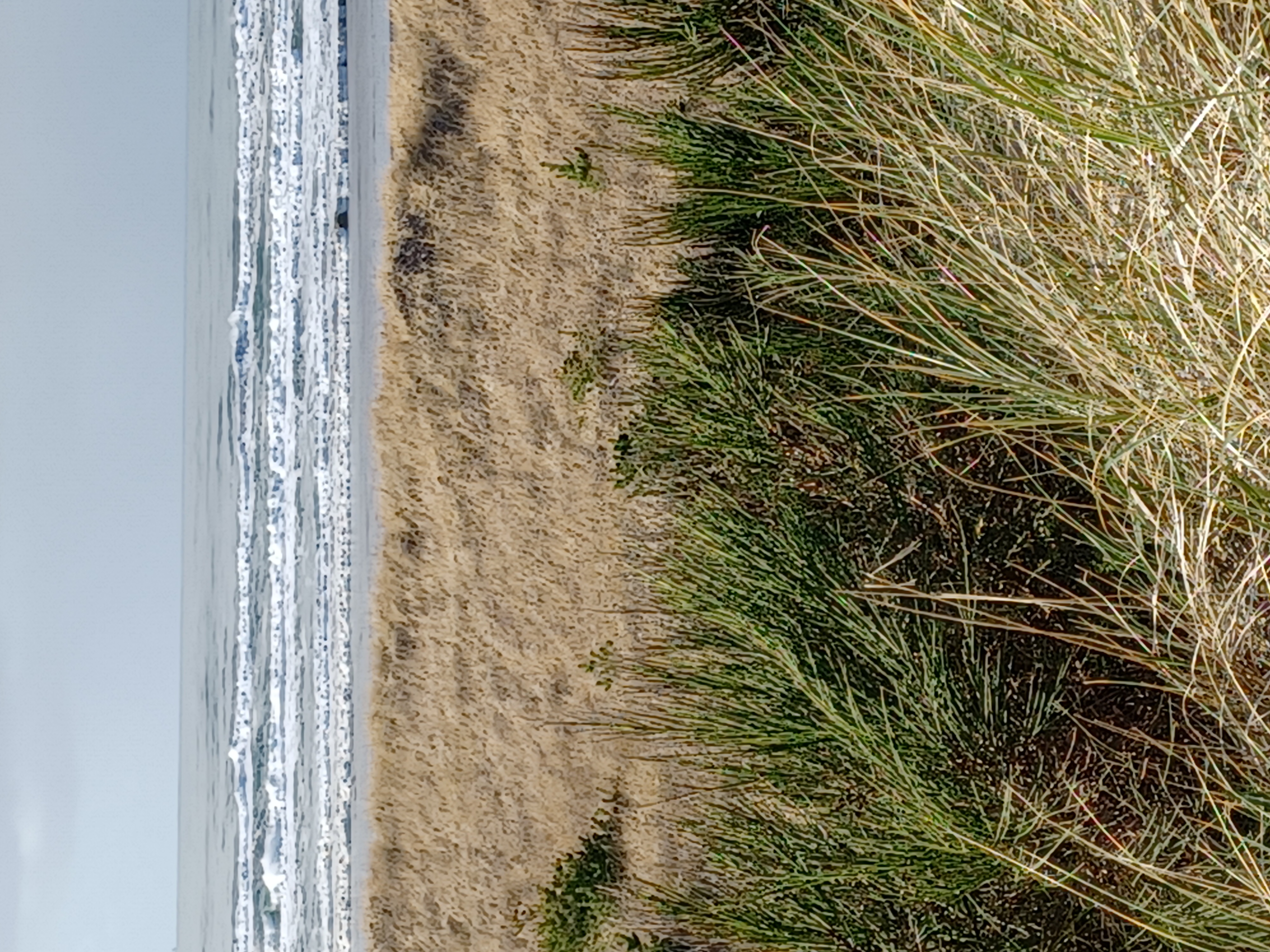
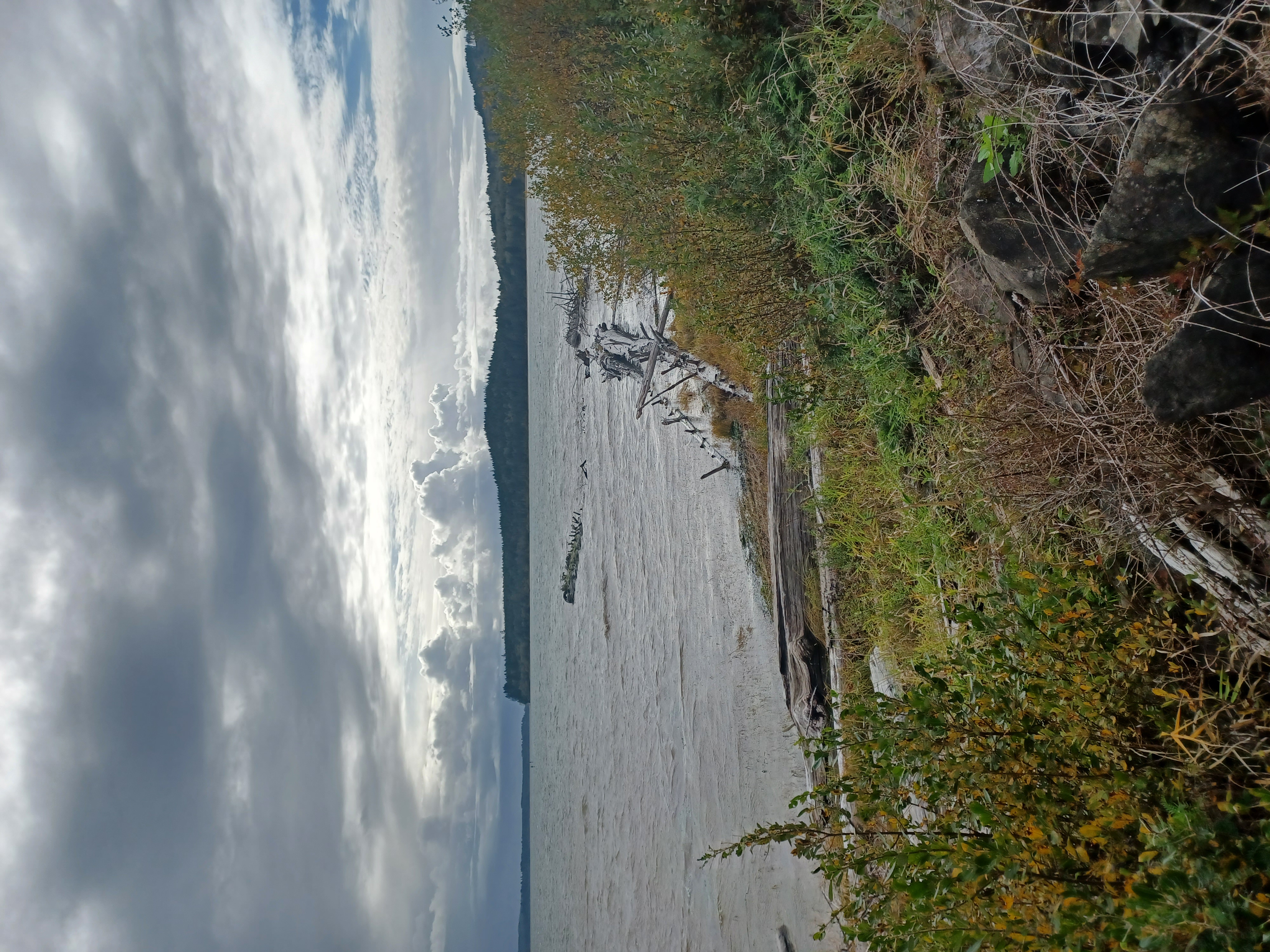
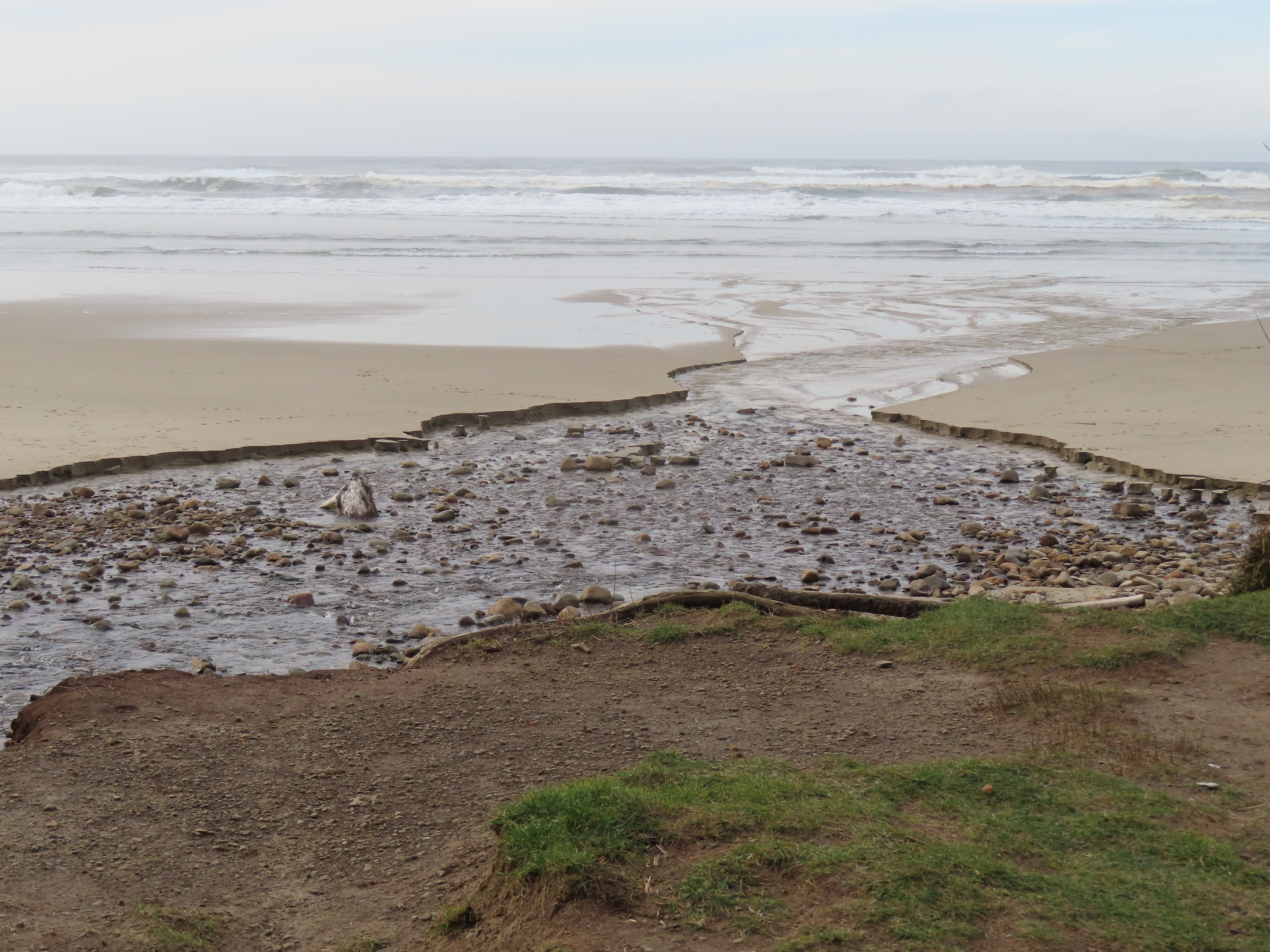
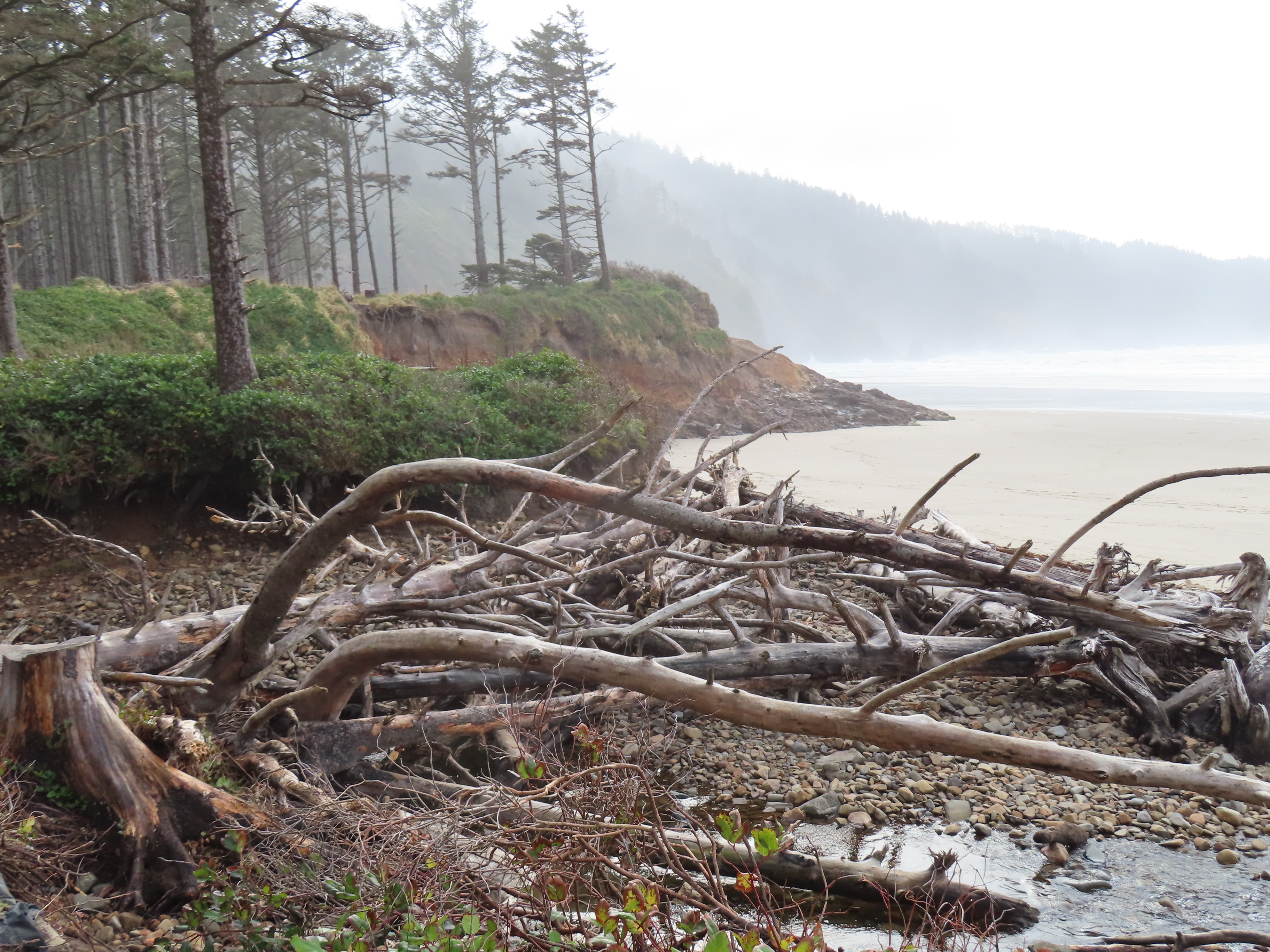
Seaside Snippets: Short Poems by Michael P. Garofalo


Uncle Mike's Seaside Snippets


Short Poems by Michael P. Garofalo

Haiku, Brief Free Verse, Photos, Couplets, Waka
Tersets, Concrete Poems, Quartets, Senryu


blooms of Spring
flanked by evergreens—
   sunshine on stones


Do the pines daydream?
  feeding logs
  into the flames


   The Surf Swallowed
   All in its Way—
Night and Day!


the sea
smashed on the shore—
drifting thoughts


grains of sand
on Grayland's strand—
   needles on pines


     cells in my hand
  moving the sand—
raindrops washing the sea


rocks of the jetty
slick and cold—
black rockfish
gather below


pumps watering
red cranberry fields—
wind turbines
often spinning


Splitting dry kindling,
damp November day—
wind chimes       tinkling


  birds gather on the mud—
low tide
at noon


broken razor clam shells
scattered around—
   drunken men laughing


moonrise—
the dark night of a soul
       lifts


walking over
fallen leaves—
    a moonlit path


dawn—
   every leaf drips
   backlit by fog


You shared the spark,
You fanned the flame,
You fed the fires,
You passed the Names.
For all those known and
For all those unnamed,
We raise this toast
With thanks this day.


wild animals are wily—
   staying alive
   rules our lives


      dry sand
      wet sand—
low tide at noon


Foggy all morning—
a raven breakfasts
      on red roadkill


Gleaming gas pumps
In the fluorescent night,
Slaves of the Almighty Dollar,
Pouring hot octanes
Into the bellies of Chevies.

Ding! Ding! Gallons go down.
Wallets open and fold.
Acid fogs melt steel belted moons.

Headlights come and go, flashing
By the drying Lakes of Petro.

A Dead End ahead, everywhere,
For us, for OPEC, for Fords.


jet lights high in the sky—
the moon over
      black soft surf


Cut fir logs
stacked two stories high—
    screeching mill saws....


Stoned silly
on strong sativa—
  Doors of Deceptions


If you understand, things are changing;
If you don't understand, things are changing.


Buzzards circling
higher and higher—
     bright sky.


 driftwood floats by
    at high tide—
boats hide


Salmon drying
in the smoker—
caviar on a cracker.


Swordfish
sizzles fast on the grill—
lemon drops.


      oyster shooters
      tingle my tongue—
cannabis buzzes her brain


"Dirty old man"
    says she, with a wry frown;
slipping her panties down.

our lips smack
     separating
our fantasies

secent of her flowers
     woozy
kissing her knee

ruckus on
damp sheets all askew—
     panting face to face

trembling together
     we explode!!
groaning ....


        Floating upstream past Time
      Ticking counter clockwise,
    Repeating carnal fantasies—
  Rumbling surf got louder,
I fell asleep.


     graveyard gate
   closed—
dense fog


Live long enough,
and the losses pile up,
Till you're tossed away
like an old cracked cup,
All stained and worm,
dulled by time,
Useless, leaking,
not worth a dime.

Egoless, your flesh falls away,
a skeleton
Lost in Nirvana; lights out,
all done.

Then, the Skeleton Woman
drinks your dry tears,
Drums your still heart,
and sings away fears,
Slips under the quilts
and gives Love a Whirl;
Spinning, twirling,
your reborn as a Girl.

Forget yourself,
crack the cup on the floor,
Speak in a new voice,
the past is no more.


somehow, someway
everyone
gets eaten up someday


    running out of time
for catching up
    with the future
now


        my mind grinds
        my times
into memories


Shadows from a slice of moonshine
Ripple down the sagging grape vines
Unburdened of their sweet red sex,
Withered, distorted, grotesquely bent.
    Yet they live on, now as I:
Mouthfuls of dried raisins turned to chyme,
    Reborn as muscles, eyes, and Mind.


To dance at the still point
Of the Time beyond time,
Beyond pasts, within futures,
this Moment
Now and forever, beyond minds.


Poetry by Michael P. Garofalo

Cuttings: Haiku and Short Poems

Pulling Onions: Over 1,000 One-Liners

Cloud Hands Blog

Green Way Research Subject Index

Facebook

Four Days in Grayland

More Slices of the Sea

Reflections of Beachcombers


Michael Peter Garofalo in the Spring of 2020
Home, Vancouver, Washington, USA


All text, photos, graphics, and webpage coding by Mike Garofalo
First posted online on June 1, 2022.
Last updated on June 2, 2022.

Photo Locations:
Coastal Southwest Washington, USA
Coastal Northwest Oregon, USA
From: Four Days in Grayland

Filename Title: Uncle Mike's Seaside Snippets

Filename: https://www.egreenway.com/mpgss/shortpoemsMPG1.htm

Uncle Mike's Cellphone Poetry Series

Uncle Mike's Cellphone Poetry Series #1


Sunday, May 29, 2022

Cellphone Screen Web Design

My notes, projects, tips, resources, links, files, and plans for CSS Style Sheet Webpage Design are now found online.  

I normally use a desktop Dell computer and a large Samsung digital monitor.  Most of my webpages, created since 1998, have been in simple HTML code, mostly created using Microsoft Front Page 2003 software.  

Years ago, I created an Green Way Research Index to my hypertext documents in HTML.  My interest and skills has been mostly in Content Creation (writing, reporting, research, documentation, compiling, linking, bibliography, guides...).   

I have decided to try to learn how to create webpages in both HTML and CSS code to display properly on my Samsung A32 cellphone.  I am learning how to CSS code from two textbooks.  I am now using Dreamweaver 2021 software for writing and editing, and use two textbooks for learning how to use Dreamweaver.  I also use online resources for learning CSS and Dreamweaver.  

Web publishing for decent display on a good web browser on a big monitor is one challenge, writing for display on a typical small screen cellphone is another challenge.  I check my webpage on Google Chrome and Microsoft Bing, on a big monitor.  I check my webpage on my Samsung A32 cellphone.  

I hope to learn how to use CSS coding ONLY to create webpages for cellphones that will display properly in a greater variety of cellphones.

This coming week CPS46.css ONLY!  CPS = Cellphone Poetry Series

The first document I created using a CSS style sheet is called : 
 
Seaside Snippets: Short Poems by Michael P. Garofalo

This first document worked fine in my Samsung A32 cellphone, but not so well in terms of margins and text size in my wife's newer and slightly larger Samsung cellphone.  I hope to learn how to improve my CSS webpage design skills in this area by using my two textbooks:

Learning Web Design: A Beginner's Guide to HTML, CSS, JAVSCRIPT, and Web Graphics by Jennifer Niederst Robbins, 2018.  

HTML&CSS: Design and Build Websites.  By Jon Duckett.  Wiley, 2011, 500 pages.  


I have experienced some heart health problems since April 23rd, and so I have been taking in easy more.  Webpage design is definitely easy on the body, and challenging for the mind.  


Other relevant links to my short poems include:  

Slices from Time after Time

Poetry by Mike Garofalo

Cuttings: Haiku and Short Poems by Mike Garofalo


Saturday, May 28, 2022

Time and Time Again ...

I enjoyed reading The Order of Time by Carlo Rovelli, 2018.  A fine summary of what physicists and philosophers of the past and present have thought about time, cogent examples, poetic analogies, good explanations of the issues involved, clear and readable.  

"The entire evolution of science would suggest that the best grammar for thinking about the world is that of change, not permanence.  Not of being, but of becoming.
We can think of the world as made up of things.  Of substances.  Of entities.  Of something that is
Or we can think of it as made up of events. Of happenings.  Of processes.  Of something that occurs."
Order of Time, p. 97  

I now have two other books to read by Carlo Rovelli, an Italian theoretical physicist and popular science author.  I borrowed the two books from the Cascade Library Branch of the Vancouver Regional Library District.    

Seven Brief Lesson on Physics, 2016

Reality is Not Wat It Seems: The Journey into Quantum Gravity, 2017.  


One book I am now studying each day is Learning Web Design: A Beginner's Guide to HTML, CSS, JAVSCRIPT, and Web Graphics by Jennifer Niederst Robbins, 2018.  I am designing my first CSS page for a cellphone display.  

Process Philosophy: Bibliography, History, Links, Information, Quotes.  By Michael P. Garofalo    


My own recent poetic reflections on Time, from my Slices of Time After Time:

.....  

"The arrow of Time never rests,
moving forward unrelenting
irreversible
from hot towards cold
from organized to disorganized
from past to future
from moving towards stillness
from life towards death.

Or, so it seems,
      to us,
      with our little particulars in view,
      and our social survival habits a must.


The spiderwebs of Time are legion,
multitudes of nows of heres;
Uncountable heres and theres
      unhitched
from any eternal present everywhere."  .....


the surf swallowed
all in its way─
night and day

the sea
smashed on the shore─
drifting thoughts


Thursday, May 26, 2022

Leaving the Seashore

Today, I head home to Vancouver from Pacific Beach. I plan to spend a few hours touring the City of Olympia.  

I collect poems, quotes, and sayings about life by the sea: Reflections of Beachcombers.  

Here are a few of my own poetic reflections:

From Slices of Time

The arrow of Time never rests,
    moving forward unrelenting
         irreversible
from hot towards cold
from organized to disorganized
from past to future
from moving towards stillness
from life towards death.
Or, 
so it seems,
    to us,
    with our little particulars in view
    and our social habits a must.
    
The spiderwebs of Time are legion
multitudes of nows of heres;
Uncountable heres and theres 
    unhitched
from any eternal present everywhere.

For a woman at eighty, or a lass of eight,
Time past or present carries different weights.


Haiku by Michael P. Garofalo

Blooms of Spring
flanked by evergreens---
sunshine on stones

the sea
smashed into the shore---
drifting thoughts

the surf wallowed
all in its way
night and day

cells in my hand
moving the sand─
raindrops washing the sea

rocks of the jetty
slick and cold─
black rockfish gather below

grains of sand
on Graylands' strand─
needles on pines


Olympia, Washington


While on this trip to the Southwest Washington coast I read two books:

I have found the following traveler's reference book to be invaluable while exploring the State of Washington.  It is detailed, specific, thorough, well researched, and highly informative:  
Exploring Washington's Past: A Road Guide to History.  By Ruth Kirk and Carmela Alexander.  Seattle, University of Washington Press, Revised Edition, 1995, detailed index, 543 pages.  

The Norton Anthology of Modern and Contemporary Poetry, Volume 2, Contemporary Poetry.  Edited by Jahan Ramazani, Richard Ellmann, and Robert O'Clair.  W.W.Norton, Third Edition, 2003, indexes, 1210 pages.


By Michael P. Garofalo


Wednesday, May 25, 2022

Lake Quinault

 Today, I plan to visit Lake Quinault and the Quinault Rain Forest.  


I have been camping in a yurt at Pacific Beach State Park.  Pacific Beach is only 31 miles from Lake Quinault via the Moclips highway.  Lake Quinault is the gateway to the Quinault Rain Forest in the Olympic National Park.  Very dramatic scenery in this area.  Seacoast, rivers, dense forests, mountains, lakes ....


Lake Quinault, Quinault Rain Forest, Quinault River

Lake Quinault is 52 miles north of Aberdeen, and 68 miles south of Forks. 

Lake Quinault Photographs

Quinault River Photographs

Quinault - Lodging

Quinault - Restaurants

Lake Quinault Lodge    Photographs   Built in 1926. 

Rain Forest Resort Village

Quinault Indian Nation 

Quinault Lake  Olympic National Park Region 

Quinault Rain Forest: Six Stunning Hikes Around Lake Quinault


"The Quinault Rain Forest is a temperate rain forest, which is part of the Olympic National Park and the Olympic National Forest in the U.S. state of Washington in Grays Harbor and Jefferson Counties. The rain forest is located in the valley formed by the Quinault River and Lake Quinault. The valley is called the "Valley of the Rain Forest Giants" because of the number of record size tree species located there. The largest specimens of Western Red CedarSitka SpruceWestern HemlockAlaskan Cedar and Mountain Hemlock are found in the forest as well as five of the ten largest Douglas-firs. The forest receives an average of 12 feet of rain per year. It is believed to be the area with the greatest number of record size giant tree species in the smallest area in the world. It does have the largest trees in the world outside of the state of California and New Zealand.  Located on the western side of the Olympic Mountains, the Quinault Valley was carved out by a glacier and ends at Lake Quinault.  The Qinault Rain Forest is a tourist area with a number of resorts and lodges located on either side of Lake Quinault."
 Quinault Rain Forest


Quinault Valley Brochure  "The Quinault Valley is a wilderness gateway to alpine meadows, jeweled lakes and ice-carved peaks. For shorter visits, the valley has a scenic loop drive and short trails through temperate rain forest in both Olympic National Park and Olympic National Forest.  Quinault is located in the southwestern area of the park."   


"Once the novelty wears off of the Hoh, after the Queets has been attempted, and the Bogachiel has been fully hiked, locals and visitors to Olympic National Park tend to settle on exploring the Quinault Rainforest for the rest of eternity.  Complete with an amazing lake, fantastic day hikes, rustic, large lodges, and remote chalets, it is hard to find a location more beautiful than the Quinault.  For those who like simple walks, the Rainforest Trail near Lake Quinault Lodge consists of 13 miles of fun, easy to access, well-maintained trails. Along the road to the more remote hikes, waterfalls plunge down along rocky sections, flowing into the salmon-filled, eagle-lined Quinault River. The region is beautiful, breathtaking, and the perfect example of rainforest beauty. Capped off with the majestic views of mountains, waterfalls, and wilderness from the Enchanted Valley, the Quinault Rainforest must be experienced to fully understand its majesty."
-  Douglas Scott, The Magical Rainforests of Olympic National Park


Quinault River  NS

Quinault Rain Forest Nature Trail

Quinault Lake and Rain Forest Brochure  Hiking map, trails, information. 

Quinault Rain Forest Family Trip: Moss, Giant Spruce, and Rain

Quinault Rain Forest Bus Tours

Lake Quinault Rain Forest


"The Quinault Rain Forest is one of four rich temperate rain forest canopies that lie within the west side of Washington’s Olympic Mountains. It begins in the Mount Anderson drainage to the east and the Low Divide drainage to the northwest.  This majestic forest follows the paths of the North and East Forks of the Quinault River. These forks meander down the valley and merge into one Quinault River, which enters beautiful Lake Quinault.  The Quinault Rain Forest completely surrounds Lake Quinault, bringing its unique biological community to the shoreline.  Big Douglas firs, western red cedar and pacific silver fir dominate the main forest upper canopy.  Adding to this rich dark green are the moisture dependent Sitka spruce and the western hemlock. The forest canopy is open, allowing streams of sunlight to reach the forest floor.  These huge conifers along with the big leaf maple and alder along the river bars comprise first impressions for those visiting the Quinault Rain Forest.  The Quinault Rain Forest understory is comprised of fern, devil’s club, and hanging curtains of moss, which add a rich bright, green hue. Indian-Plum, salmonberry, thimbleberry, blueberry and wild blackberry bush flowers provide nectar for the rufous hummingbird and bees. A variety of wild flowers and bright berries add their special colors to this enchanted garden setting.  Bear grass, skunk-cabbage, twisted-stalk, trillium, bleeding heart, Indian paintbrush, and bunchberry are a few that can be found. The forest floor’s covering is dotted with the delightful earthy colors of mushrooms and lichens that abound in this damp ecosystem."
 Quinault Rain Forest  


"Lake Quinault (/kwɪˈnɒlt/ or /kwɪˈnɔːlt/) is a lake on the Olympic Peninsula in western Washington state. It is located in the glacial-carved Quinault Valley of the Quinault River, at the southern edge of Olympic National Park in the northwestern United States. One of the most dominant features of Lake Quinault is its location within the Quinault Rain Forest, a temperate rain forest.  Area activities include fishing (with permit from the Quinaults), scenic drives (a loop around the lake is longer than 30 miles (48 km)), and hiking. The southern side of the lake features a system of short hiking trails maintained by the U.S. Forest Service that are accessible to casual day hikers.  he southern side of the lake is home to the historic Lake Quinault Lodge and the Rain Forest Resort Village and is encompassed by the Olympic National Forest. The Quinault Loop Trail on the south side of the lake and the nearby Quinault Rain Forest Interpretive Trail connecting campgrounds, trails, and the lodge, with excellent temperate rainforest viewing. Each trail was designated a National Recreation Trail in 1979. The north side of the lake is bordered mainly by private homes and some small resorts located in Olympic National Park.  Lake Quinault receives an average of 332.92 centimeters (131.07 inches) of precipitation per year."
 Lake Quinault - Wikipedia
 

Taholah Village at Pacific terminus of the Quinault River.  Store, small museum.  Quinault Indian Reservation territory.   


"The Lake Quinault Loop is one of the state’s most breathtaking scenic drives, dazzling everyone in the car any month of the year. From visiting the World’s Largest Spruce Tree and exploring the beauty of Merriman Falls, to enjoying the elk near the Kestner Cabin and picnicking along the lake at July Creek, there are no wrong choices while driving around Quinault.  The best place to start is at the Lake Quinault Lodge. Originally built in 1926, in the same style as the Old Faithful Inn at Yellowstone, the two story, V-shaped structure is rumored to be the location where President Franklin Delano Roosevelt decided to support the creation of Olympic National Park. Watch for animals, enjoy moss draped trees, see towering forests and enjoy the babbling brooks and numerous roadside waterfalls found along this short, 34-mile loop drive. We have outlined ten destinations to explore along the paved and dirt roads that circle Lake Quinault, promising to give you a day’s worth of beautiful and stunning must-stop destinations. For an added bonus, drive out to Graves Creek and into Olympic National Park. Along this out and back gravel road, you’ll be surrounded by unrivaled wilderness, huge trees dripping in moss, and endless sights of ferns."
-  Douglas Scott, Lake Quinault Rain Forest Auto Loop Road 


Four Days in Grayland
By Michael P. Garofalo