Showing posts with label Essays. Show all posts

Sunday, May 31, 2026

Treasury of the True Dharma Eye by Zen Master Dogen

Zen Master Eihei Dogen Zenji (1200-1253) 
Japanese founder of Soto Zen School Tradition.
Teacher, abbot, essayist, poet, Zen philosopher
His collected works are called The Treasury of the True Dharma Eye, Shobogenzo.

I first read Dogen's works in the book Moon in a Dewdrop translated by Kazuaki Tanahashi (1995, 368 pages); and in the book Rational Zen: the Mind of Dogen Zenji translated by Thomas Clearly (2001, 232 pages.)

I have read, studied, and adopted much from my study of Zen Buddhist literature since I was 14 years old.  I am a philosopher, but I have a interest in Taoism, and associated practices like some in Zen Buddhism.

Gudo Nishijima and Chodo Cross's four volume translation of the Treasury of the True Dharma Eye, Shobogenzo in 2021.

Unfortunately, the Kindle Version of Nishijima is very poor, and cheap ($7.00), so I purchased the paperback copies at $18.00 - $27.00 each.  

The new Kazuaki Tanahashi Kindle version of the Treasury of the True Dharm Eve, Shobogenco (2013, 1280 pages) is excellent, at a cost of $60.00.  The hardbound version is $75.00, very heavy, big, like a large family Bible on a coffee table.  So, I'll purchase one volume of Nishijima's translation per month at $25.00 each.  And, then get Tanahashi in the Kindle version as money permits.


Here is an 2008 Amazon review by by Ted Beriginer of Gudo Nishijima and Chodo Cross's four volume translation of the Treasury of the True Dharma Eye, Shobogenzo in 2021.


"If you have not read Books 1 through 4 of this translation of the 95 chapter edition of Shobogenzo, do it now! If you have read them, do it again!

Gudo Nishijima and Mike (Chodo) Cross's four volume translation of the 13th century Zen master Eihei Dogen's masterpiece marked the first English language translation of the entire 95 chapter version of Shobogenzo - The True Dharma-Eye Treasury (excepting the nearly useless translation by Kosen Nishiyama and John Stevens).

By opting for a more "literal" rather than "interpretive" rendition, the translators have realized a monumental achievement by furnishing English readers with a reliable text that is certain to be invaluable for generations.

This set is also packed with a wide selection of reference material, or "Aids to the Reader", including a translation of The Heart Sutra, Dogen's Fukanzazengi, and a generous selection of passages from the Lotus Sutra, Glossaries, a variety of tables offering data on everything from The Works of Dogen, to equivalents of Chinese/Japanese/Sanskrit/English.

The extensive footnotes, while occasionally offering some overly "interpretive" (read: sectarian), provide readers with a vast amount of supplemental information with lucid explanations concerning cultural context, alternate readings, sources for material quoted in the body of the text, biographical (historical and traditional) information on personages appearing in the text, and much more.


Book 1 - Table of Contents

[1] BENDOWA - A Talk about Pursuing the Truth

[2] MAKA-HANNYA-HARAMITSU - Maha-prajna-paramita

[3] GENJO-KOAN - The Realized Universe

[4] IKKA-NO-MYOJU - One Bright Pearl

[5] JU-UNDO-SHIKI - Rules for the Hall of Heavy Cloud

[6] SOKU-SHIN-ZE-BUTSU - Mind Here and Now Is Buddha

[7] SENJO - Washing

[8] RAIHAI-TOKUZUI - Prostrating to Attainment of the Marrow

[9] KEISEI-SANSHIKI - The Voices of the River-Valley and the Form of the Mountains

[10] SHOAKU-MAKUSA - Not Doing Wrongs

[11] UJI - Existence-Time

[12] KESA-KUDOKU - The Merit of the Kasaya

[13] DEN-E - The Transmission of the Robe

[14] SANSUIGYO - The Sutra of Mountains and Water

[15] BUSSO - The Buddhist Patriarchs

[16] SHISHO - The Certificate of Succession

[17] HOKKE-TEN-HOKKE - The Flower of Dharma Turns the Flower of Dharma

[18] SHIN-FUKATOKU - Mind Cannot Be Grasped [The former]

[19] SHIN-FUKATOKU - Mind Cannot Be Grasped [The latter]

[20] KOKYO - The Eternal Mirror

[21] KANKIN - Reading Sutras


Book 2 - Table of Contents

[22] BUSSHO - The Buddha-nature

[23] GYOBUTSU-YUIGI - The Dignified Behavior of Acting Buddha

[24] BUKKYO - The Buddha's Teaching

[25] JINZU - Mystical Power

[26] DAIGO - Great Realization

[27] ZAZENSHIN - A Needle for Zazen

[28] BUTSU-KOJO-NO-JI - The Matter of the Ascendant State of Buddha

[29] INMO - It

[30] GYOJI - [Pure] Conduct and Observance [of Precepts] - Parts 1 & 2

[31] KAI-IN-ZANMAI - Samadhi, State Like the Sea

[32] JUKI - Affirmation

[33] KANNON - Avalokitesvara

[34] ARAKAN - The Arhat

[35] HAKUJUSHI - Cedar Trees

[36] KOMYO - Brightness

[37] SHINJIN-GAKUDO - Learning the Truth with Body and Mind

[38] MUCHU-SETSUMU - Preaching a Dream in a Dream

[39] DOTOKU - Expressing the Truth

[40] GABYO - A Picture of Rice Cake

[41] ZENKI - All Functions


Book 3 - Table of Contents

[42] TSUKI - The Moon

[43] KUGE - Flowers in Space

[44] KOBUSSHIN - The Mind of Eternal Buddhas

[45] BODAISATTA-SHISHOBO - Four Elements of a Bodhisattva's Social Relations

[46] KATTO - The Complicated

[47] SANGAI-YUISHIN - The Triple World is Only the Mind

[48] SESSHIN-SESSHO - Expounding the Mind & Expounding the Nature

[49] BUTSUDO - The Buddhist Truth

[50] SHOHO-JISSO - All Dharmas are Real Form

[51] MITSUGO - Secret Talk

[52] BUKKYO - The Buddhist Sutras

[53] MUJO-SEPPO - The Non-Emotional Preaches the Dharma

[54] HOSSHO - The Dharma-nature

[55] DARANI - Dharani

[56] SENMEN - Washing the Face

[57] MENJU - The Face-to-Face Transmission

[58] ZAZENGI - The Standard Method of Zazen

[59] BAIKE - Plum Blossoms

[60] JUPPO - The Ten Directions

[61] KENBUTSU - Meeting Buddha

[62] HENSAN - Thorough Exploration

[63] GANZEI - Eyes

[64] KAJO - Everyday Life

[65] RYUGIN - The Moaning of Dragons

[66] SHUNJU - Spring and Autumn

[67] SOSHI-SAIRAI-NO-I - The Ancestral Master's Intention in Coming from the West

[68] UDONGE - The Udumbara Flower

[69] HOTSU-MUJOSHIN - Establishment of the Will to the Supreme

[70] HOTSU-BODAISHIN - Establishment of the Bodhi-mind

[71] NYORAI-ZENSHIN - The Whole Body of the Tathagata

[72] ZANMAI-O-ZANMAI - The Samadhi That Is King of Samadhis

[73] SANJUSHICHI-BON-BODAI-BUNBO - The Thirty-seven Auxiliary Bodhi Methods

[74] TEMBORIN - Turning the Dharma Wheel

[75] JISHO ZANMAI - Samadhi as Self Experience

[76] DAI SHUGYO - Great Practice

[77] KOKU - Space

[78] HATSU-U - The Patra

[79] ANGO - The Retreat

[80] TASHINTSU - The Power to Know Others' Minds

[81] O SAKU SENDABA - A King's Seeking of Saindhava

[82] JI-KUIN-MON - Sentences To Be Shown in the Kitchen Hall

[83] SHUKKE - Leaving Family Life

[84] SANJI-NO-GO - Karma in Three Times

[85] SHIME - The Four Horses

[86] SHUKKE-KUDOKU - The Merit of Leaving Family Life

[87] KUYO-SHOBUTSU - Serving Offerings to Buddhas

[88] KIE-SANBO - Taking Refuge in the Three Treasures

[89] SHINJIN-INGA - Deep Belief in Cause and Effect

[90] SHIZEN-BIKU - The Bhiksu in the Fourth Dhyana

[91] YUI-BUTSU-YO-BUTSU - Buddhas Alone, Together With Buddhas

[92] SHOJI - Life-and-Death

[93] DOSHIN - The Will to the Truth

[94] JUKAI - Receiving the Precepts

[95] HACHI-DAININGAKU - The Eight Truths of a Great Human Being

[Appendix 1] BUTSU-KOJO-NO-JI - The Matter of the Ascendant State of Buddha."


Wednesday, February 05, 2025

Using Your Time Wisely


The Improvement of Spare Moments
From Pushing to the Front, 1894
By Orrison Swett Marden

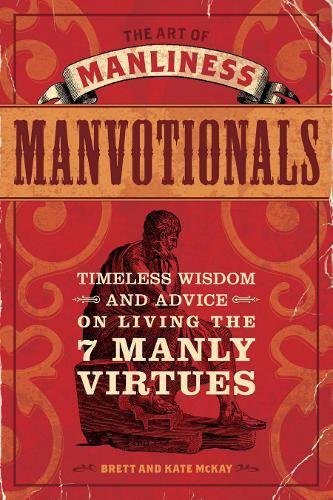
Found in The Art of Manliness - Manvotionals: Timeless Wisdom and Advice on Living the 7 Manly Virtues. By Brett and Kate McKay.  HOW Books, 2011.  272 pages.  Quote: p 87-90.


The Improvement of Spare Moments, Part 1
By Orrison Swett Marden, 1894


"On the floor of the gold-working room, in the United States Mint in Philadelphia, there is a wooden lattice-work which is taken up when the floor is swept, and the fine particles of gold-dust, thousands of dollars' worth yearly, are thus saved.  So every successful man has a kind of network to catch "the raspings and parings of existence, those leavings of days and wee bits of hours" which most people sweep into the waste of life.  He who hoards and turns into account all odd minutes, half hours, unexpected holidays, gaps between times, and chasms of waiting for unpunctual persons, achieves results which astonish those who have not mastered this most valuable secret.  

The days come to us like friends in disguise, bringing priceless gifts from an unseen hand; but if you do not use them, they are borne silently away, never to return.  Each successive morning new gifts are brought, but if we failed to accept those that were brought yesterday and the day before, we become less and less about to turn them in account, until the ability to appreciate and utilize them is exhausted.  Wisely was it said that lost wealth may be regained by industry and economy, lost knowledge by study, lost health by temperance and medicine, but lost time is gone forever.  

"Oh, it's only five minutes or ten minutes till meal-time: there's not time to do anything now," is one of the commonest expressions heard in the family.  But what monuments have been built up by poor boys with no chance, out of broken fragments of time which many of us throw away!  The very hours you have wasted, if improved, might have insured your success.  

The author of "Paradise Lost" was a teacher, Secretary of the Commonwealth, Secretary of the Lord Protector, and had to write his sublime poetry whenever he could snatch a few minutes from a busy life.  John Stuart Mill did much of his best work as a writer while a clerk in the East India House.  Galileo was a surgeon, yet to the improvement of his spare moments the world owes some of its greatest discoveries."  


Saturday, November 04, 2023

The Sorry-Go-Round Goes Round (1951) and Round (2020)


The Wisdom of Insecurity: A Message for an Age of Anxiety.  

By Alan Watts. (1915-1973)
Vintage, 1951, 153 pages.  

I first read this short collection of essays in 1962, then in 2000, and again in 2020.  His ideas and recommendations in this short book, and many other books and recorded lectures by Alan Watts, influenced me greatly in high school, college, and my adult life.  I heard him lecture while in college and I remember just laughing a lot with the young audience, and somehow being lifted up into intellectual sophistication.  His use of metaphors, analogies, examples, and humor is quite clever.  He is full of pithy, wise, and accurate observations; and, his thoughts are relevant in 2022.  His popular explanation of various philosophical and religious views sometimes wavers, falters, and misses the mark; however, he hits the mark more often than not.  

The main thrust of the book is that our lived experience, always in the present, does not provide us with evidence for an enduring self or soul.  That ideas and concepts are useful, but are not to be confused with the reality of our current experience.  That thinking and language can separate us from our existential body-mind.  That memories of past experiences or anticipation of future experiences may be misleading us about our true identity.  That since we cannot loose what we never had (an eternal, enduring, essential self/soul); our anxiety and insecurity should be dissolved by awareness of our actual experiences.  That science and technology are indeed useful, but may condition us in ways that cause more stress and anxiety.  That the fact that uncertainty and death are real, and how we should abandon hope in life being otherwise and being fundamentally insecure.  That American society is stumbling towards insecurity and unhappiness.  

His critiques of American social views and practices are very insightful, and still quite relevant:

     "Thus the "brainy" [over-emphasis of thinking over immediate direct experience] economy designed to produce this happiness is a fantastic vicious circle which must either manufacture more and more pleasures or collapse- providing a constant titillation of the ears, eyes, and nerve ends with incessant streams of almost inescapable noise and visual distractions.  The perfect "subject" [viewer, customer] for the aims of this economy is the person who continuously itches his ears with the radio, preferably using the portable kinds which can go with him at all hours and in all places [smartphones in 2020].  His eyes flit without rest from television screen, to newspaper, [to Internet], to magazine, keeping him in a sort of orgasm-without-release through a series of teasing glimpses of shiny automobiles, shiny female bodies, and other sensuous surfaces, interspersed with such restorers of sensitivity - shock treatments - as "human interest" shots of criminals, mangled bodies, wrecked airplanes, prize fights and burning buildings.  The literature or discourse that goes along with this is similarly manufactured to tease without satisfaction, to replace every partial gratification with a new desire.
     For this stream of stimulants is designed to produce cravings for more and more of the same, though louder and faster, and these cravings drive us to do work which is of no interest save for the money it pays - to buy more lavish radios, sleeker automobiles, glossier magazines, and better television sets, all which will conspire to persuade us that happiness lies just around the corner if we will buy one more."
The Wisdom of Insecurity, p. 62.  


Tuesday, September 08, 2020

Michel de Montaigne's Essays - Still Worth Reading

Lately, I have enjoyed rereading the interesting essays by Michel de Montaigne.  I read the essays for the first time in 1963, and now, as an old man, I still appreciate their insights, skepticism, readability, humanism, range, humor, irony, ideas and opinions, and their relevance for me.  Montaigne's writing style is conversational, engaging, and enduring.  

I have never visited France.  However, I have watched the Tour de France bicycle race each summer on television for the past 15 years.  The television coverage is outstanding with beautiful helicopter and ground camera visuals.  It is like taking an actual tour of different areas in France every year.  This year, the tour started later in the summer, and all the spectators are wearing masks because of the cronovirus pandemic.  


Michel de Montaigne   (1533-1592, French Essayist) 


How to Live, or A Life of Montaigne; In One Question and Twenty Attempts at an Answer.  By Sarah Bakewell.  New York, Other Press, 2010.  Index, bibliography, notes, 399 pages.  An outstanding biographical and intellectual history study.  VSCL. 


The Complete Essays of Michel de Montaigne.  By Charles Cotton.  Translated from the Latin into English in 1685.  I prefer the Kindle Edition.  1981 pages.  2018.  VSCL. 


The Complete Works of Michel de Montaigne.  Translated by Donald M. Frame.  Everyman's Library, 2003.  1392 pages.  Unfortunately, this translation is only available in a heavy hardbound volume with smaller print; with no e-book options.  Originally published in 1957.  VSCL. 

Me, Myself, and I: What made Michel de Montaigne the first modern man?  By Jane Kramer.  


Virtues and Vices: Notes, Quotes, Sayings, Links, Good Reads.  By Mike Garofalo.