Showing posts with label Medicine. Show all posts

Sunday, October 12, 2025

One Picture of Me


One Picture of Me

By Mike Garofalo


When Laurence asked for poems on the theme of "Self-Portrait" I though of a long philosophical poem I wrote about the interrelated subjects of Picturing and Describing. 

One set of examples I used in that long poem was the human skull. I spoke of memories of Halloween in East Los Angeles, where Mexican Skulls, calaveras, filled displays on El Dia De La Muerte. Meaningful from artistic and religious perspectives.

The brief poem I'm sharing today is a excerpt about my own skull as Pictured by medical imaging, and described by me and interpreted by the oral surgeon.


"This bony skull of mine
electrified
pictured onscreen for me.
     Doctor recommends
     some oral surgery.

The brain disappeared,
an empty space
sliced from
X Ray images retraced.
Eyeless in inner space.

Monkey nose holes,
bony eye glasses,
teeth glowing in the dark.
     Inner spaces never seen
     underneath my very being.

Skinless, noseless, earless,
a shape, a form—
     the images informed.
Stripping away the unneeded,
revealing my inner core."


So, as we all know, a single picture or image can cause a flow of ideas, interpretations, and feelings in our minds.

Or, just two words can please, excite or inflame our minds. Our lover's name can explode our feelings.

But, just two other words can frighten our moral being.

For example, 

Donald Trump ...
[pause, raise your elbow]

Kick Him Out. 

See you on the street next Saturday.


The above "brief poem" will be printed in
The SkullCrushing Hummingbird
Zine #7
, in Portland, Oregon,
on 10/12/2025.


Commentary: Off the Cuff


So, considering, have you ever seen
a picture or a video or a drawing
of a Skull Crushing Hummingbird,
crushing an insect's Skull
with its tiny beak or flashing wings?

No, you have not,
and that is just one reason why,
you don't believe
that Skull Crushing Hummingbirds
are really alive.

However,
Words, context, technical knowledge,
and intent claim meaningfulness,
even truth,
in addition to any pictures viewed.
The surgeon and I see differently.

Sometimes, though, we reader's prefer
fantasies and fictional
Skull Crushing Hummingbirds
to any ho-hum boring beings-
a moniker for fun memories.


***********************


Pictures mirroring things
displaying aspects of reality
uncovering hidden realms of being
pointing to more clear correspondence.
Show me a good picture - Please!

We drew pictures in caves
Heroes pictured in statues
Books illustrated pictured facts
Drones picture our towns from above
Hubble sends us clear pictures of Space

Our brains are
Picture processing ... Machines-
and you can picture mindfulness
you can picture your intent verbally...
picturing is a form of meaningfulness.

Science and technology have
invented new ways of picturing
so we can see into Reality
and open our ordinary eyes
to new ways of seeing.

Picturing - Defining
Planning - Imagining
Painting - Photography
Reflecting - Mimicking
Do I see what I mean?

Wittgenstein in the Tractatus of 1921
Used Pictures and Picturing as the
criterion of meaningfulness and truth.
Wittgenstein in the Investigations of 1953
changed to talking about our talking
about, in ordinary words, aspects of Picturing.

The best pictures, the best descriptions,
how we talk in everyday ways,
point to correspondence, mirroring,
a theory of epistemology.
Richard Rorty disagreed.


**********************************


Bundled Up, Volume 1
Quintains, Pentastichs, Tankas

Gushen Grove Sonnets

Highway 101 and 1: A Docu-Poem
California, Oregon, Washington

25 Steps and Beyond
The Poetry by Mike Garofalo


Thursday, February 02, 2023

Cryo-Balloon Ablation of My Heart


At 9:30 am this morning, at the Peace Health Hospital in Vancouver, a team led by Dr. Reese will perform a cryo-balloon catheter ablation of my heart.  We hope this will correct some of my current electrical heart problems.  This is a non-invasive procedure, is "relatively safe," and does help 60-80% of people who undergo the procedure.  Dr. Reese told me he thought I was a good candidate for using this procedure.  

At age 77, I have been slowed down by shortness of breath, mild chest tightness, fatigue, and lightheadedness caused by paroxysmal atrial fibrillation.  My heart went into atrial fibrillation in May of 2022.

We shall see what happens in the next month to me as a result of this technical procedure.  


Friday, 7 am, 2/3/2023

The procedure went smoothly.  AFib controlled.  Dr. Reese said it would take three months to feel fully back to "normal."  Little discomfort, and no pain.  Sutures in thighs healing OK thus far.  Feeling very good.  Alert and thinking all night with little sound sleep.  Moving 10-15 minutes at the end of one hour of sitting.  Moving slowly, carefully, gently.  No chest tightness.  No lightheadedness or dizziness.  Clear vision.  

Cancelled February retreat to a yurt at Pacific Beach State Park in Washington.  My next retreat will come in April.  Waiting nearly 3 months to go on retreat.  Staying close to home until recovery comes.  Also, Karen has upcoming hip surgery on March 7th.  


Saturday, 4 am, 2/4/2023

Still feeling pretty good.  No problems.  Sutures healing OK.  No chest pain or discomfort.  Don't get out of breath.  A few cases of blurred/odd visual disturbances - wavy edges.  Trying to sit for 1 hour and then get up and gently exercise for 20 minutes today: walking, treadmill, qigong, taijiquan, yoga stretches.  

Before the ablation, I was in AFib frequently.  My heartbeat averaged 61 bpm when at rest.  Now my average heartbeats per minute is between 70-80 bpm at rest.  


Sunday, Noon, 2/5/2023

A little punked today.  Did not sleep well again last night: too much thinking.  My legs are a little sore from lots of Taijiquan practice yesterday.  Truly, a day of complete resting for me.  Sutures healed and looking good.  Very little chest discomfort.  Somewhat anxious.  No exercise.  Read, relax, sit, nap.  Ate  up to my recommended limit of calories 1500/carbohydrates 150.  


Monday, 2/6/2023,

Four days since the ablation procedure.  Slept 7 hours last night - excellent for me.  Feeling alert and ready to move.


Thursday, 2/9/2023

Met with James Mathey, Physician's Assistant, Peace Health Hospital today.  He ran an EKG and checked my pacemaker memory.  I am in normal heart rhythm with no AFib.  He checked my leg wounds.  In his assessment, overall, I am progressing well.  I return to be evaluated by him on March 6th.  I can ramp my walking up to 5,000 steps per day in the next 10 days.  No heavy workouts, sweating, or hard labor.  


Sunday, 2/12/2023

Injured my right leg.  Limping and in pain.  Start recovery process.


Friday, December 30, 2022

Heart Problems

 People in their late 70's are often dealing with some kind of heart or vascular problems.  I myself, at 77, have a pacemaker that does not let my heartbeat fall below 60 beats per minute to overcome Bradycardia.  I had the pacemaker inserted in 2017.  I have a stint in my LAD, inserted in 2018. At the start of 2023, I have disconcerting symptoms of Atrial Fibulation; weakness, shortness of breath, lightheadedness.  I have scheduled a cryo-ablation in 2023 to try correct AFib.  

I consult with a variety of good physicians in Vancouver, at Peace Health Hospital Cardiology-Electrophysiology. I have confidence in their diagnosis and treatment recommendations.  I research the subject by reading AFib books and quality Afib articles online.  I take Eliquis to reduce stroke chances.  

I try to follow all recommendations for good self-care.  Taking prescribed medicines, sleeping well, mild exercise, social relations, projects, careful eating, stress reduction, and not using recreational drugs.   

I will try my best to stay positive, stay busy, keep a cheerful demeanor, and reassure others.  I have so much to be grateful for in my life!

Back to blogging and webpage projects - stay busy!


Thursday, October 27, 2022

Spring of Life in Old Age

"The enduring legacy of Taijiquan is that qi grows by the practice methodology, as a plant by tending and watering.  Along the way, the qi nutured in daily practice alleviates stress related illnesses.  In the longer term, the qi buildup invigorates and strengthens the body's constitution, and serves as a natural preventive medicine that shields against chronic ailments.  The alluring promise is that the store of qi preserves the "spring of life" in old age, as espoused in the verse of the Song of Thirteen Postues.

Yi shou yan nian bu alo chun
One gains longevity and prolongs the spring of life in old age."


-  C.P. Ong, Taijiquan: Cultivating Inner Strength, p. 156


Taijiquan: Cultivating Inner Strength  By C. P. Ong.  Bagua Press, 2013.  366 pages.  ISBN: 978-0615874074.  VSCL.  "This book diverges from traditional exposition on Taijiquan (Tai Chi Chuan) as it engages rather than shuns the role of muscles in elucidating the cryptic practice dictum of “using yi (mind) and not li (muscle force).” It centers on the core principle of Taiji balance—the balance of yin and yang, but presents the metaphysics of balance the way the body comprehends it, developmentally, through practice in the musculo-skeletal framework. In the process, the fog of mystique lifts, and the many abstruse concepts of Taijiquan become clear. Taijiquan training is physical at the initial phase, but the slow-motion exercise nurtures a meditative discipline of the mind. As it progresses, the soft methodology grows into one of building qi-energy, and then the practice becomes more internalized. The process fortifies the body with qi and cultivates a holistic balance of the organ systems. The book explains how the training methodology, in pursuing Taiji balance, leads to the development of a highly refined strength called neijin (inner strength). By incorporating the training of “silk-reeling energy” in Taiji balance, the practitioner develops the coiling power (chanrao jin) that underlies the magic of Taijiquan kungfu."  Dr. Ong has a Ph.D. in mathematics from U.C. Berkeley.  C.P. Ong is a 20th generation Chen Family Taijiquan disciple of both Chen Xiaowang and Chen Zhenglei. He has traveled with them, as well as with Zhu Tiancai, for a few years in their U.S. workshop tours.

"Think over carefully what the final purpose is: to lengthen life and maintain youth."
-  Song of 13 Postures, translated by Benjamin Lo


Thirteen Postures of Taijiquan

Cloud Hands Taijiquan


The Harvard Medical School Guide to Tai Chi: 12 Weeks to a Healthy Body, Strong Heart, and Sharp Mind.  By Peter M. Wayne, Ph.D., and Mark L. Fuerst.  Shambhala Press, 2013.  240 pages.  A Harvard Health Publication. 


Friday, October 07, 2022

The Dantian: A Baffling Fancy


The Dantian: A Baffling Fancy

By Michael P. Garofalo
October 7, 2022


Since I started practicing Taijiquan and Qigong in 1986, most of my teachers have talked about the “Dantian” many times. Books, webpages, magazines, and information sheets are filled with references to the concept, function, and uses of the Dantian. I could site sources for all the claims below, but most serious and informed internal arts students are already familiar with the sources of these views. 


Frequently, it is claimed that the Dantien is a few inches below and behind the umbilicus (belly button, navel).  Modern worldwide medical anatomy makes reference to the known organs that occupy this general area of the body: the large and small intestines for digestion, kidneys and urinary system, the female reproductive organs and womb, the musculature of the lower abdominals and obliques, the lymph system, the neural system, the colon, and the lower back.  


There is no mention in current medical science anatomy and physiology textbooks of an organ or function that resembles a Dantian.  I don’t recall that the excellent Harvard Medical School Study of the many benefits of Taijiquan practice makes any mention of the function or identity of an actual Dantian in our bodies.


Some advocates of Dantian theory claim there are three Dantians in the body.

Some claim that by using Qigong and herbs and meditation you will form a spiritual baby in the Dantien, that might become your immortal soul.

Some claim the Dantien is a “storehouse” of Qi energy.  Like ordinary “storehouses” it can be filled, emptied, locked, damaged, improved, etc. 

Some claim the Dantian is the "Elixir Field" and use agricultural analogies to refer to its cultivation.  

Some claim you can rotate, circle, spin, or move the Dantien with your mind. 

Some claim some physical movements cause Qi energy to flow from the Dantien out to your fingertips.

Some claim some equivalence of the Dantian theory to the Hatha Yoga Chakras or Kundalini speculations. 

Some make claims about elaborate Dantian associations with the Five Elements Chinese scheme. 

Some claim your spiritual essence or your spiritual center is in the Dantien (Chinese) or Hara (Japanese).

Some provide explanations of the Dantien in terms of fascia, lymph systems, nerve systems, hormonal system, or bioelectric currents, etc.

Some claim gently rubbing your abdomen in circles from the rib cage to the bladder areas enliven and strengthen the Dantien.  Many other movements and breathing techniques in Qigong are claimed to influence or energize the Dantien.  

Some claim to feel or sense the Dantien.

Some claim that because it is an essential part of Traditional Chinese Medicine, therefore it must be real and true. 

Some claim the male and female sexual energies and reproductive potentials are also in some way processed or converted by the supposed Dantian. 

Some claim their large bellies are full of Chi in their Dantian.

Some claim the Dantian is spherical, ball shaped, round and centered above and below the navel.  


Belief in these various claims may have a salutary effect on your psychological well-being, or not.  Belief in doing some positive action for your well being, or trust in a health mentor, can be beneficial in 30-45% of instances due entirely to the Placebo Effect.  So, imagining rotating and twirling your inner “Dantian” (invisible to surgeons, ordinary eyes, to microscopes, or MRIs) might make you feel better or feel stronger or feel more spiritual or feel less anxious, or not.  Feelings are important in our lives, but are insufficient for proper and accurate medical diagnosis, knowledge, and explanations.    


Tradition Chinese medicine and Taoist/Zen views have many good ideas about exercise, lifestyle, herbal remedies, ethical behavior, and a peaceful mind.  However, the many strange and sometimes conflicting claims about the existence and use of the Dantien might not be essential to good Taijiquan or Qigong practices.  Plenty of benefits come from daily physical exercises without any belief in these Dantien claims or theories. I guess it is relatively harmless to imagine having a Dantian, but such fancies are superfluous to the effective somatic and experiential practices of Tai Chi Chuan or other martial arts.   


Undoubtedly, improving the strength and flexibility of the lower abdominals, glutes, inguinal area (kua), illiopsoas, lower back, and the many muscles of the upper thighs are crucial for success and reducing injury in martial arts practices.  Practical physical conditioning exercises help achieve these goals.  I'm unsure about how Dantian imagery or soft Dantian practices achieve these real conditioning objectives.  How is storing more Chi in the Dantian going to help you kick better and safely? 


The female sexual organs and womb are in this area of the body.  We all appreciate the fact that our mothers carried us in their wombs, and fed and nurtured us as a fetus embryo, neonate and infant.  Human reproduction is an amazing process.  Our gratefulness is essential.  However, inventing supernatural, non-objective, unverifiable entities regarding the womb area are often lacking in any explanatory power, are uniformed, and in a few cases are just silly.  


I would advise skepticism regarding what many Taijiquan or Qigong teachers “preach” about Dantian theory.  They often just repeat something their “Master” told them, without further reflection or empirical evidence.  Their intentions are positive, but their explanations, examples, and theories are weak and muddled.  The Dantien associations with magic, miracles, feelings, ancient religious beliefs, supernatural entities, and outdated anatomy and physiology theories are obvious to critical thinkers.  Maybe believing in cultivating a “spiritual immortal baby” in your Dantien is not in your worldview; even if it is a charming, figurative, uplifting, and mystical fancy.


Taijiquan is difficult to learn and hard to practice alone daily.  Maybe Dantian myths also turn many people off intellectually, and they quit learning because they don't believe in the confusing jargon.


Keep in mind that such Taijiquan and Qigong Dantian believers are often unwilling to countenance other views.  These teachers will get mad, correct you, and even reject you for not believing in their Dantian theories.  Beware of asking for rational explanations, scientific evidence, anatomical facts, or common sense implications regarding these outmoded Dantian theories.  Keep your opinions to yourself, or you will be kicked out of this ancient Brotherhood of Taijiquan Dantian Believers.  Just be silent, nod approval, pretend, and act as-if to humor the instructor in class.  


Thursday, November 12, 2020

Revealing the Human Body

I have attended two of the Human Bodies Revealed exhibits.  The first exhibit was in Redding, California, at the Turtle Bay Museum, where I also conducted three introductory Qigong classes.  The second exhibit was at the OMSI museum in Portland, Oregon.  The OMSI exhibit was quite large and impressive, and well attended.  I am a supporter of more education in the medical sciences and technologies.  


Saturday, February 23, 2019

Yoga and Mental Health

I attended a three hour workshop titled "Yoga for Mental Health" this Saturday.  The speaker was Eve Parker, LICSW and Yoga Teacher.

Ms. Parker provided a good overview of brain functioning, neurotransmitters, triggers, hyper and hypo responses to stress or trauma, healthy lifestyle choices, self-help and treatment options for types of mental health issues, balance, hierarchy of needs, coping skills, yoga practices suited to emotive-physical needs, yoga models, yoga breathing, etc..  She was very knowledgeable about psychology, a lively young speaker, well organized, and approachable.

She provided a 12 page handout and note taking materials.  She had set out a mat, blocks, bolster, and blanket for each of the 15 attendees.

We finished with yoga practices for 45 minutes.  Breathing techniques and postures for energizing, uplifting, and stimulating; as well as for softening, relaxing, releasing, and destressing were illustrated.

The Simply Yoga Studio has all the needed facilities, comforts, and supplies for group yoga activities.  There are many knowledgeable and experienced teachers at this Studio.

I also attended a 'Gentle Yoga' class for one hour in the morning, led by Eve Parker.  Quieting, restful, and some chair yoga movements.  A refreshing atmosphere at this Simply Yoga Studio.

I've been attending some yoga classes at three locations in Vancouver, Washington:  Simply Yoga Studio (6.1 miles) in Salmon Creek along Hwy 99; LA Fitness Gym (5.6 miles) in the Hazel Dell Market Center along 78th Street; and, the LA Fitness Gym (2.8 miles) in the Orchards Market Center along NE Fourth Plain Road.  There are numerous high quality and new fitness facilities and programs near my home in northeast Vancouver. 

I am enjoying myself, in a good mood, and trying to slowly but surely improve my physical conditioning, stamina, strength, and balance.  On the "mental health" side I want to reduce anxiety, become more fearless, and increase my self-confidence.  Reasonable goals for a fellow at 73 years of age?  Yes!

Tuesday, January 16, 2018

Diabetes and Caloric Restriction

I have been dealing with the disease of diabetes since I was 52 years of age - for the last twenty years.  Vigorous daily exercise and reasonable eating from 1998 to 2016, kept my A1C around 7.2.  

Most diabetes patients die from cardio-vascular disease.  So, as the odds predicted, I had a pacemaker inserted in 6/17 and a LAD heart stent placed in 10/17.  Of course, being 72 years of age does not help with the progress of any disease.  Also, the problems and anxieties of serious heart disease resulted in a reduction of exercise.  

In the last year, while suffering from heart disease, my blood sugars were rising.  I tried three different medicines in 2017: Trulicity, Januvia, or Glipizide combined with Metaformin.    

I see my internal medicine doctor next Friday.  I am considering asking for a referral to an endocrinologist, and a change in medications.   

I have been attending, since November, the cardio rehabilitation classes three days each week, for 1.5 hours per class, at the Peace Health Hospital complex in Vancouver, WA.  The class consists of one hour of aerobics, and a half hour of weight lifting, core work, or stretching.  They offer a 1 hour lecture each Wednesday on heart health care.  Fortunately, my health insurance covers this cardio rehabilitation program - how lucky I am.  

Unquestionably, moderate exercise helps with reducing blood sugar.  Typically, after a breakfast (600 calories) and a one hour wait, my blood sugar will be at around 220.  After I finish the 1.5 hours of exercise, my blood sugar is 150.  Ideally, it would be around 110.  Exercise does help, it has few side effects like medicines, is inexpensive (e.g., my nearby LA Fitness Gym membership costs $31.00 per month).  I enjoy walking and weightlifting, and I practice Taijiquan

  
The most important factor in controlling diabetes is carefully choosing what you eat, and more important, what you do not eat.  Reducing caloric intake has the beneficial effect of reducing blood sugar.  Also, any overeating of high glycemic index (carbohydrate) foods increases your blood sugar.  In the past, sometimes I am inconsistent and negligent about my diet.  

My goal for January and February is too eat under 100 grams of carbohydrates per day, and around 1,500 calories per day.  My body-weight goal is 225 pounds.  For a, currently,  6'7" and 246 pound man, this is a significant caloric reduction.  

If I eat under 1,300 calories a day, my morning fasting blood sugar goes down to 135.  However, it is very hard for me to control my lust for food and eat under 1,300 calories per day.  Also, my energy level drops and fatigue sets in earlier the less I eat.  However, overall, I must strive to bring my blood sugar to proper maintenance levels.  Always Compromises!!


"The Longevity Diet: The Only Proven Way to Slow the Aging Process and Maintain Peak Vitality Through Caloric Restriction." By Brian M. Delaney, and Lisa Walford, 2010.  


Prevent and Reverse Heart Disease: The Revolutionary, Scientifically Proven, Nutrition Based Cure.  By Caldwell B. Esselstyn, M.D., 2008.  


Wednesday, December 06, 2017

Cardiac Rehabilitation Program


I participate in the Cardiac Rehabilitation program at the Peace Health Hospital in Vancouver on Mill Plain Avenue.  I had a stent implanted in my left arterial descending (LAD) in my heart on 10/18, and a pacemaker implanted in my heart on 6/9.  

I attend physical exercise classes on Monday, Wednesday, and Friday morning from 10 to 11:30 am.  I attend a heart health lecture on Wednesday from 9 to 10 am.  

I take a blood sugar test before and after the class, blood pressure is taken three times during the class, exertion levels are monitored, and I wear a electronic heart monitor that shows results on a computer monitor observed by experienced staff.  Staff members check and observe participants, and encourage you, and keep participation safe.  They contact heart physicians as needed.  

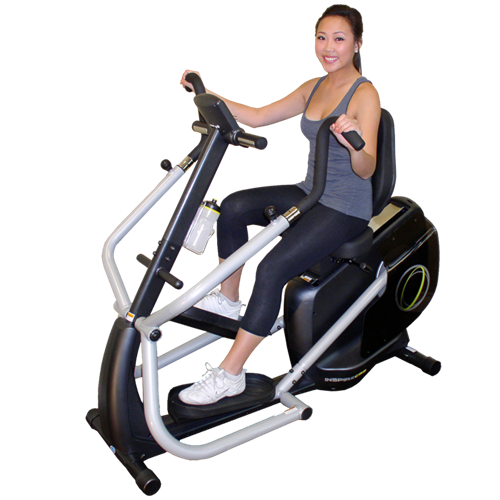
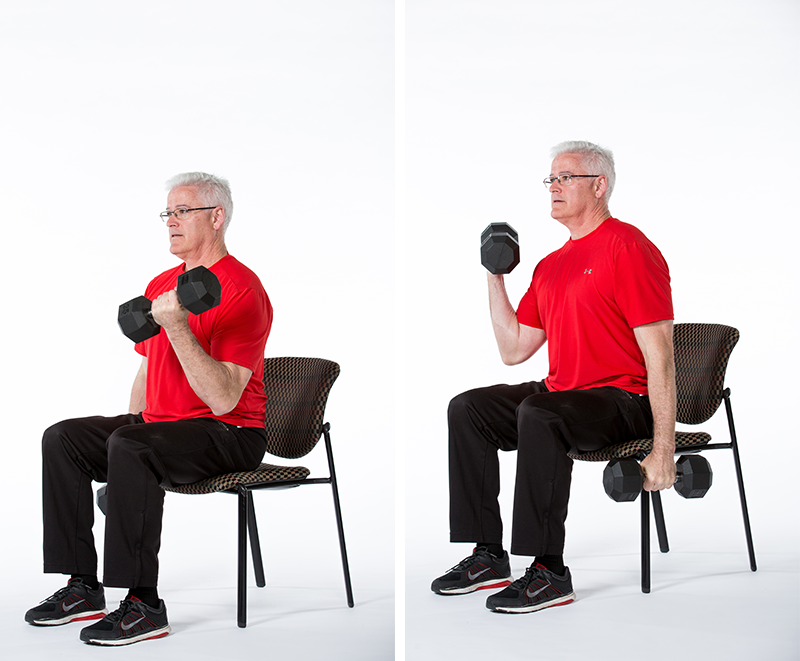
The physical exercises include 30 minutes of treadmill using pre-assigned levels of intensity settings (speed and incline).  25 minutes of seated incumbent bike.  30 minutes of chair exercises with weights or bands, and stretching.  

Diet is very important.  I try to eat under 1700 calories per day, reducing fat and salt and cheap carbohydrates.  My goal is to get my body weight to under 240 pounds, and I now weight 247.  

I take 4 medicines for heart problems.  This is an essential part of my medical program.  The medicines lower blood pressure, reduce clotting in the stent, prevent increased heartbeat, and includes a mild diuretic.   

I trust the team of therapists, nurses, physician's assistants, and physicians.  

Starting this weekend, I plan to add a similar workout on Saturday and Sunday at the LA Fitness gym on Fourth Plain Avenue near the Lewiston Highway (503).  


Image result for seated weight lifting for seniors

Monday, October 23, 2017

Weekend Grandparenting

Karen and I took care of our two granddaughters from last Thursday until Sunday evening.  We stayed at my daughter's home in Salmon Creek.  We talked, played, and entertained ourselves for many hours.  We attended two soccer games.  It was an enjoyable experience.  

Doing Yang style Tai Chi, qigong, and yoga indoors because of the steady rain.  Such Taiji activity requires some readjustment in the form work, but that also makes it more interesting in some ways.  I did not feel strong enough to go to the workshop on Wuji this past weekend. 


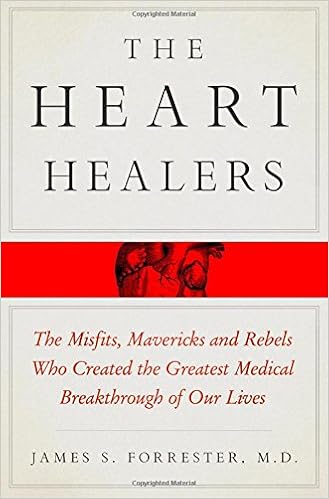
I read a fascinating book this weekend about the the history of the medical, pharmacological and technological improvements in the treatment of heart disease in the last 100 years.  "The Heart Healers: The Misfits, Mavericks, and Rebels Who Created the Greatest Medical Breakthrough of Our Lives."  This book was written by the renowned cardiologist, Dr. James S. Forrester.  (St. Martin's Press, 2015, 388 pages)  The individuals and teams of innovators, their dedication and creativity, their risk taking, and their hope to improve the lives of their patients are interwoven with the advances in medical science during this period.  Biographical insights into the personal lives of these creative physicians, bio-tech researchers, and scientists was very revealing.  

Personally, my advancing heart disease was likely slowed by the innovations and inventions of these great men and women: diagnostic methods, drugs, angioplasty, pacemaker, stents, etc.  


Monday, October 02, 2017

Good Advice from the Doctor

I have benefited from reading and adopting the ideas and suggestions of Andrew Weil, M.D..  His books are informative and provide persuasive facts and arguments for using “integrative medicine” to achieve improved health and well-being.  Persons of all ages can benefit from his advice, and his book “Healthy Aging” is especially relevant to seniors like myself.  Those who practice Taijiquan, Qigong, and Yoga will find support for their practices in Dr. Weil’s writing. 

Eight Weeks to Optimum Health: A Proven Program for Taking Full Advantage of Your Body’s Natural Healing Power.  By Andrew Weil, M.D..  Ballantine Books, 2007.  320 pages.  ISBN: 978-0345498021.  VSCL. 

Spontaneous Happiness: A New Path the Emotional Well-Being.  By Andrew Weil, M.D..  Little Brown and Co., 2013.  288 pages.  ISBN: 978-0316129428.  VSCL. 

Healthy Aging: A Lifelong Guide to Your Well-Being.  By Andrew Weil, M.D..  Anchor Books, 2007.  368 pages.  ISBN: 978-0307277541.  VSCL. 


“Andrew Weil, M.D., is a world-renowned leader and pioneer in the field of integrative medicine, a healing oriented approach to health care which encompasses body, mind, and spirit. Combining a Harvard education and a lifetime of practicing natural and preventive medicine, Dr. Weil is the founder and director of the Arizona Center for Integrative Medicine at the University of Arizona Health Sciences Center, where he is also a Clinical Professor of Medicine and Professor of Public Health and the Lovell-Jones Professor of Integrative Rheumatology. Dr. Weil received both his medical degree and his undergraduate AB degree in biology (botany) from Harvard University. Dr. Weil is an internationally-recognized expert for his views on leading a healthy lifestyle, his philosophy of healthy aging, and his critique of the future of medicine and health care. Online, he is the editorial director of www.drweil.com, the leading web resource for healthy living based on the philosophy of integrative medicine; and, can be found on Facebook (facebook.com/drweil), Approximately 10 million copies of Dr. Weil's books have been sold, including "Spontaneous Healing," "8 Weeks to Optimum Health," "Eating Well for Optimum Health," "The Healthy Kitchen," "Healthy Aging," and "Why Our Health Matters."”
- Quotation from Amazon Books

Here are some of my webpages related to these subjects:

Happiness, Well-Being, Flourishing

How to Live a Good Life

Aging Well

Paths to Fitness and Well Being


Monday, June 12, 2017

Very Grateful

I had a Pacemaker implanted on June 7, 2017.  I seem to be doing well thus far. 

I told my story a few days ago.  

I am now walking, slowly and steadily, three times each day for 20 minutes each time.  I try to increase the time walking each day.  Also, I am doing gentle modified Taiji every day.  

I often reflect on this fact: If I was living in 1917, no medical procedures or drugs existed to keep me alive with severe Bradycardia (very low heartbeat).  

I thank all the medical professionals, health care workers, engineers, scientists, and creative people who have helped so many people.  

I thank all those people, Republicans and Democrats and Independents, who in 1964 established Medicare.  I thank all the hard working citizens in the United States who support Medicare, and contribute part of their paycheck each month for public governmental health services.  I worked 54 years and politically supported these governmental health care programs, and paid for these programs.  My wife and I still pay for Medicare and other health insurance.  

I favor many of Senator Bernie Sanders ideas for improving health care in America.  

I am very grateful to all Americans for helping to keep me alive.  

I will try my best to return this great favor to me, and promise to work to help make America a decent, just, and productive place to live for all people.  


Wednesday, June 07, 2017

Health of the Body and Tranquility of Mind


"If we look beyond Platonic sources, we will be reminded that Socrates "took care to exercise his body and kept it in good condition" by regular dance training.  "The body," he declared, "is valuable for all human activities, and in all   its uses it is very important that it should be as fit as possible.  Even in the act of thinking, which is supposed to require least assistance from the body, everyone knows that serious mistakes often happen through physical ill-health."  Socrates was not the only ancient philosopher to celebrate physical health and advocate somatic training and refinement.  Before him, Cleobulus, a sage "distinguished for strength and beauty, and acquainted with Egyptian philosophy, " "advised men to practice bodily exercise."  Aristippus (hedonistic pupil of Socrates and founder of the Cyrenaic school) claimed "that bodily training contributes to the acquisition of virtue," while Zeno, founder of the Stoics, likewise urged regular bodily exercise, claiming that "proper care of health and one's organs of sense" are "unconditional duties."  Though rating mental pleasures above bodily ones, Epicurus still affirmed "health of body and tranquility of mind" as the twin goals of philosophy's quest for "a blessed life.""
-  Richard Schusterman, Body Consciousness, 2008, p 17


“Recognition of somatic training as an essential means towards philosophical enlightenment and virtue lies at the heart of the Asian practices of hatha yoga, Zen meditation, and T’ai Chi Ch’uan.  As Japanese philosopher Yuasa Yasuo insists, the concept of “personal cultivation,” or shugyō (an obvious analogue of “care of the self’), is presupposed in Eastern thought as “the philosophical foundation” because “true knowledge” cannot be obtained simply by means of theoretical thinking, but only through ‘bodily recognition or realization’ (tainin or taitoku).  From its very beginnings, East-Asian philosophy has insisted on the bodily dimension of self-knowledge and self-cultivation.  When the Confucian Analects advocate daily examining one’s person in the quest for self-improvement, the word translated as “person” is actually the Chinese word for body (shen 身). Arguing that care of the body is the basic task and responsibility without which we cannot successfully perform all our other tasks and duties, Mencius claims, “The functions of the body are the endowment of Heaven.  But it is only a Sage who can properly manipulate them.”  The classic Daoist thinkers Laozi and Zhuangzi similarly urge the special importance of somatic care: “He who loves his body more than dominion over the empire can be given the custody of the empire [Laozi, C17].”  “You have only to take care and guard your own body .. and other things will of themselves grow sturdy;” the Sage is concerned with the means by which to keep the body whole and to care for life”; “being complete in body, he is complete in spirit; and to be complete in spirit is the Way of the Sage (Zhuangzi).”
-  Richard Schusterman, Body Consciousness, 2008, p.18 


Body Consciousness: A Philosophy of Mindfulness and Somaesthetics.  By Richard Shusterman.  New York, Cambridge University Press, 2008.  Index, bibliography, 239 pages.  ISBN: 9780521858908.  Theory.  VSCL.   


Tuesday, June 06, 2017

Teaching Us About Healing

This past weekend, I read the most interesting book by Tim Parks:

"Teach Us to Sit Still: A Skeptic's Search for Health and Healing."  By Tim Parks.  New York, Rodale Press, 2011.  322 pages.  ISBN: 9781609611583. 


The author lives in Italy and has written over 20 books.  He was having many urological, genital, and pelvic pain problems.  He used conventional medical tests and some recommendations to help him with his problems; but was not satisfied.  He discovers the book titled "A Headache in the Pelvis" by David Wise, PhD., and Rodney Anderson, M.D..  The book advocates daily exercises and relaxation/meditation methods, and psychological methods to help with healing. 
Tim follows the regiment with some improvement in his condition.  


Mr. Parks experiments with regular Shiatsu massage therapy.  Finally, he participates in some Buddhist Vipassana retreats.  He shares, honestly and insightfully, his experiences with many alternative therapies he used to ameliorate his health problems.  

Men with prostate problems (prostatitis, benign prostatic hyperplasia (BPH), excessive urination, and pelvic pain) might gain some treatment and adaptation ideas from Mr. Park's journey.  

Mr. Parks thinks a great deal and complains of the "constant chatter in my head."  This active mind-set, he believes, hinders his progress in the body-consciousness practices he wants to integrate into his daily life.  His practice of Vipassana provides some clearer understanding of his psychological and bodily states and conditions.  

Tim usefully explores the relationship between writing, writers, and health issues throughout the book.  After a ten day Vipassana silent retreat, he decides to stop writing for awhile to reduce his stress and deactivate his analytical and judgmental over-thinking.  

Overall, a fine book by a skillful writer, full of cogent observations, a skeptic's questioning, humor, and personal revelations.  


Monday, June 05, 2017

Pacemaker Time for Me

My health has been in some decline for the last ten months.

For the last decade, my 1st degree AV Node heart block has been worsening.  Recent symptoms in the last ten months have included: shortness of breath with mild exertion, lightheaded experiences, weakness, slow heartbeat episodes (Bradycardia), skipped heartbeats, fatigue, occasional dizziness, chest pains, feeling uncomfortable and very anxious at times, etc.   I have worn an exterior heart monitor for a few months last year, and now have an electronic heart monitor chip implanted in my chest.

Two weeks ago my new cardiologist from Peace Health Hospital in Vancouver reviewed my case.   A few days later, technicians brought up all the data results from my implanted heart monitor.  The results were very bad. My heartbeat was falling at times to 40, 30, and even 20 heartbeats per minute.

Last week, I met with the electro-cardiologist physician and associated team. Four doctors, including my cardiologist of the last 15 years in Redding, CA, all recommend I have a Pacemaker implanted.  Without the surgery to implant a Pacemaker, my death would come much sooner rather than later.  

The 2 hour Pacemaker implant surgery is scheduled for Wednesday morning, June 7th, 2017.  Dr. Yamac Gungor is the electro-cardiologist who will do the surgery.

Since I am now 71 years old, I must, like all other older people, deal with health setbacks as best I can.  I have been told the surgery is typically uncomplicated, and the results typically are very positive for the patient.  Hopefully, this will be the case for me.

My wife and I pay $550 per month for health insurance, not including the cost for medicines.  Hopefully, we will not have a huge expense for this surgery.

Wednesday, March 08, 2017

Learn How to Breathe Correctly


"If I had to limit my advice on healthier living to just one tip, it would be simply to learn how to breathe correctly."
-   Andrew Weil, M.D., 1999  


"Our breathing patterns are the key to managing our attention, to our feeling of well-being, and more importantly, to nourishing our body with great lymph and blood circulation and with oxygen.   Breath holding contributes to a state of fight or flight, to impulsive behavior, to a flood of stress hormones, and to compromised digestion and elimination.  Teaching optimal breathing patterns, particularly in the early years, is as crucial as exercise and proper nutrition."
-  Mark Hyman, M.D., The Blood Sugar Solution, 2012, p. 236


Breathing in Mind-Body Arts, Health, and Fitness
Compiled by Michael Garofalo


Thursday, June 11, 2015

Shoulder Problems and Remediation

My right shoulder has been injured for a long time.  The injury has reduced my range of motion to some extent, reduced my strength, and, occasionally, causes me considerable pain when I move my arm and shoulder at a particular angle.  Most of the time, the shoulder discomfort is a minor concern; but, it has been worsening the last four months. 

I met with Dr. Robert Chase, a sport's orthopedist, in Red Bluff yesterday.  He viewed my X-rays, interviewed me, and gave me a thorough physical examination.  I appreciated his diagnostic skills, pleasant and approachable manner, obvious expertise, and suggestions for remedial actions.  He is a University of California at Irvine graduate. 

I will have an MRI on 6/11, and see him again on 6/23.  Medical interventions considered are drugs for pain, cortisone injections to reduce inflammation, physical therapy, and arthroscopic surgery. 

On 6/23, Dr. Chase told me that based upon my complaints and comments, his examination, and the MRI results he thinks I have a tear of a tendon on the rotator cuff caused by arthritic bone spurs.  I have troublesome osteoarthritis in my right big toe, tailbone, and shoulder joints; as well as aching finger joints.  The arthritis in my shoulder results in impingement: the arthritic bone spurs press and cut rotator cuff tendons in certain positions. He recommended surgery in the next six months to shave down the bone spurs and reattach the tendon. 

I am modifying and reducing my weekly strength training program that involves the use of my right shoulder.  I will use less weight, do more more isolation dumbbell work, and a do a reduced number of weightlifting workouts per week.  No max lifts with barbells, no overhead pressing, no flys.  No weightlifting for two weeks, but plenty of walking, gardening, home improvement projects, yoga, and taijiquan.  Resting the shoulder from weightlifting is an intelligent choice at this time, as well as taking some ibuprofen.

I will be placing much more emphasis on leg work, cardio-vascular conditioning, and ab work during the month of June.

Discomfort and pain in my right shoulder and right bicep has been increasing during the entire month of June.  

Help with Arthritis: Tai Chi, Chi Kung, Yoga, Walking, and Diet   Bibliography, links, resources, recommended books, information, quotations, tips, and research.  By Michael P. Garofalo.  


Saturday, July 12, 2014

Improve Your Health by Walking More and Walking Faster

"There are countless physical activities out there, but walking has the lowest dropout rate of them all! It's the simplest positive change you can make to effectively improve your heart health.
Research has shown that the benefits of walking and moderate physical activity for at least 30 minutes a day can help you:
  • Reduce the risk of coronary heart disease
  • Improve blood pressure and blood sugar levels
  • Improve blood lipid profile
  • Maintain body weight and lower the risk of obesity
  • Enhance mental well being
  • Reduce the risk of osteoporosis
  • Reduce the risk of breast and colon cancer
  • Reduce the risk of non-insulin dependent (type 2) diabetes."
American Heart Association, The Benefits of Walking

Ways of Walking  Hundreds of quotations, sayings, poems, quips, and insights about walking.  


"Walking is one of the simplest and easiest ways to get the exercise you need in order to be healthy—and almost anyone can do it. Walking can strengthen bones, tune up the cardiovascular system, and clear a cluttered mind. This uncomplicated but important activity continues to attract researchers, reports the March 2011 issue of the Harvard Health Letter. Recent research indicates that:  Later in life, walking becomes as much an indicator of health as a promoter of it. After age 65, how fast you walk may predict how long you have to live. Walking, or gait, has long been recognized as a proxy for overall health and has been measured in many studies. Researchers have found a remarkably consistent association between faster walking speed and longer life."
-  Harvard Medical School, Research Points to Even More Health Benefits of Walking


Monday, March 10, 2014

Patterns that Perpetuate Themselves

"We are but whirlpools in a river of ever-flowing water.  We are not stuff that abides, put patterns that perpetuate themselves."
-  Norbet Weiner, 1950


The human body is 60% water.   
The human body consists of about 60 trillion cells (6x10^13). 
There are about 60 trillion atoms in a human cell. 


"The structure of the human brain is enormously complex.  It contains about 10 billion nerve cells (neurons), which are interlinked in a vast network through 1,000 billion junctions (synapses).  The whole brain can be divided into subsections, or sub-networks, which communicate with each other in a network fashion.  All this results in intricate patterns of intertwined webs, networks of nesting within larger networks."
-  Fritjof Capra, The Web of Life: A New Scientific Understandinf of Living Systems, 1996, p. 82


"In opposition to the classical model of change as accidental (as by Aristotle) or illusory, process philosophy regards change as the cornerstone of reality—the cornerstone of the Being thought as Becoming. Modern philosophers who appeal to process rather than substance include Nietzsche, Heidegger, Charles Peirce, Alfred North Whitehead, Robert M. Pirsig, Charles Hartshorne, Arran Gare and Nicholas Rescher. In physics, Ilya Prigogine distinguishes between the "physics of being" and the "physics of becoming". Process philosophy covers not just scientific intuitions and experiences, but can be used as a conceptual bridge to facilitate discussions among religion, philosophy, and science."
Process Philosophy in Wikipedia


"Although people may think of their body as a fairly permanent structure, most of it is in a state of constant flux as old cells are discarded and new ones generated in their place. Each kind of tissue has its own turnover time, depending in part on the workload endured by its cells. The cells lining the stomach, as mentioned, last only five days. The red blood cells, bruised and battered after traveling nearly 1,000 miles through the maze of the body's circulatory system, last only 120 days or so on average before being dispatched to their graveyard in the spleen.  White blood cells live on average more than a year. 
The epidermis, or surface layer of the skin, is recycled every two weeks or so. The reason for the quick replacement is that "this is the body's saran wrap, and it can be easily damaged by scratching, solvents, wear and tear," said Elaine Fuchs, an expert on the skin's stem cells at the Rockefeller University.
As for the liver, the detoxifier of all the natural plant poisons and drugs that pass a person's lips, its life on the chemical-warfare front is quite short. An adult human liver probably has a turnover time of 300 to 500 days, said Markus Grompe, an expert on the liver's stem cells at the Oregon Health & Science University.
Other tissues have lifetimes measured in years, not days, but are still far from permanent. Even the bones endure nonstop makeover. The entire human skeleton is thought to be replaced every 10 years or so in adults, as twin construction crews of bone-dissolving and bone-rebuilding cells combine to remodel it.
About the only pieces of the body that last a lifetime, on present evidence, seem to be the neurons of the cerebral cortex, the inner lens cells of the eye and perhaps the muscle cells of the heart. The inner lens cells form in the embryo and then lapse into such inertness for the rest of their owner's lifetime that they dispense altogether with their nucleus and other cellular organelles."
-  Nicholas Wade, Your Body is Younger Than You Think


Complexity

Wednesday, November 27, 2013

Complimentary Medicine

Dr. Amit Sood, Director of Research at the Complementary and Integrative Medicine Program at the Mayo Clinic College of Medicine wrote in 2007 about the 10 most popular complimentary medical treatment programs:

1. Acupuncture
2. Guided Imagery
3. Hypnosis
4. Massage
5. Meditation
6. Music Therapy
7. Spinal Manipulation
8. Spirituality
9. Tai Chi
10. Yoga

I am sure the order of the list has changed somewhat for Americans since 2007, nearly over 7 years ago. Also, "medical treatment" would imply a supplementary or complimentary "treatment" for a non-healthy person with some sort of disease like cancer, chronic pain, inflammatory diseases, heart disease, diabetes, ulcers, stress disorders, mental illness, insomnia, etc..  Of course, all could be used by healthy persons for enjoyment and the maintenance of good body-mind-spirit well being. 

The first eight treatment modalities on the list are passive.  The patient either uses psychological methods or somebody manipulates their body as they passively lie on a table.  Most of these hardly cause any heat to build up in the body, no tapas, no sweat, no force.  They primarily encourage staying cool and calm, and using focused positive thinking or meditating.  Most of these involve resting, relaxing, or falling asleep. 

The last two require some effort on the patients part: practicing, sweating, moving, working, learning, making some physical efforts, forcing change.  If walking were included as a method of complimentary medicine, it would rank in the top five. I don't think Taijiquan (with complex flowing postures) would be more popular than non-Vinyasa Yoga (with simpler static postures). 

Music therapy could involve the use of lively rhythmic music and dancing which would be heat producing.  Most of the time, I think "music therapy" is understood to mean, in this context, listening to New Age or Classical music (ambient, spacy, calm, soothing, relaxing), sitting and falling asleep to music.